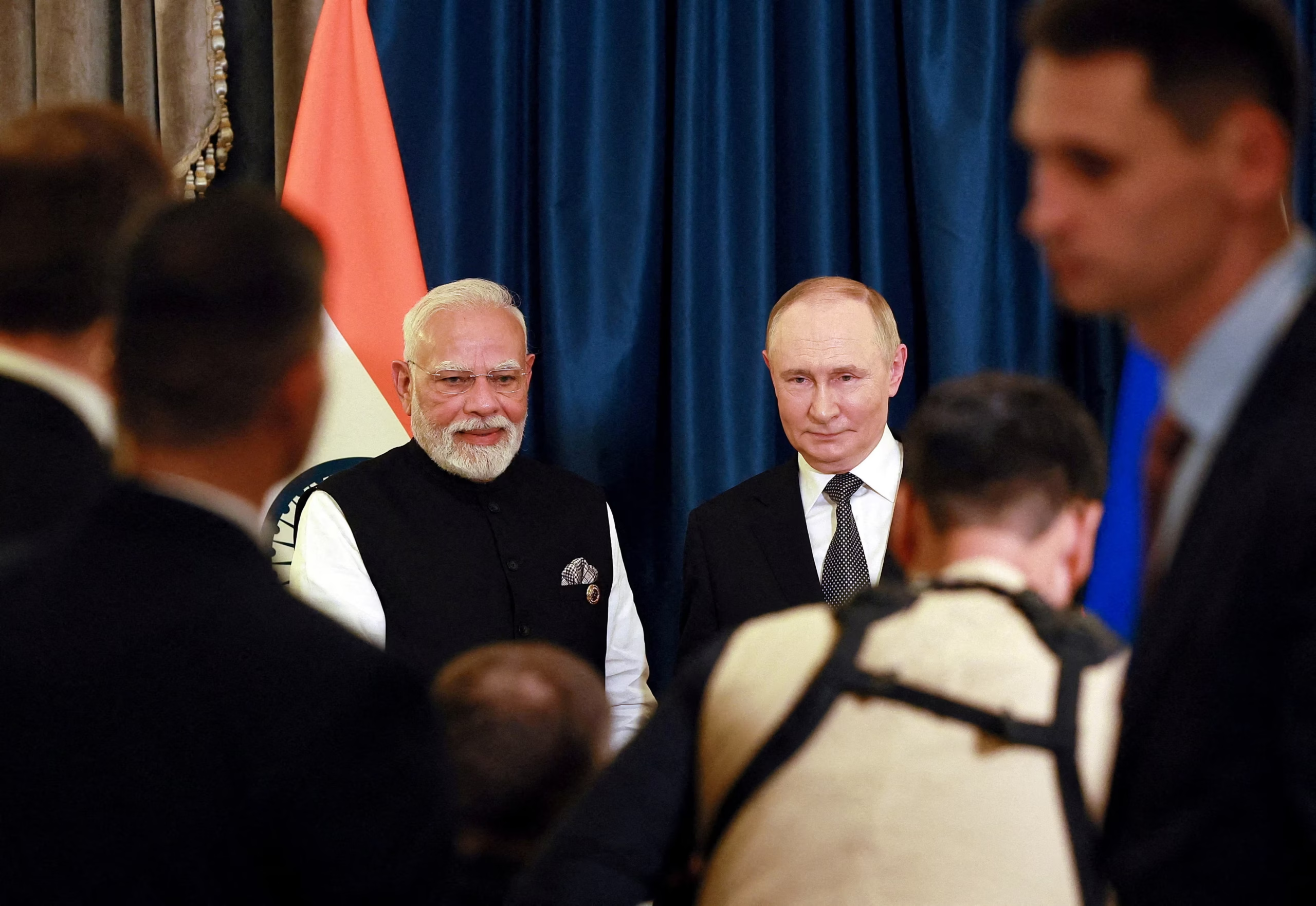
Putin is visiting india: Russian President Vladimir Putin’s two-day visit to New Delhi comes at a turning point in global politics. As Prime Minister Narendra Modi welcomed him warmly, India and Russia prepared to sign several new agreements covering energy, defence, labour mobility, and economic cooperation.
The visit carries significance far beyond bilateral trade. It is unfolding at a time when India faces rising pressure from Western nations—especially the United States—over its continued economic partnership with Moscow. For Russia, the meeting signals that despite sanctions and diplomatic challenges, it still maintains strong alliances in Asia.
Below is a detailed look at why both countries need each other, what challenges lie ahead, and how this visit shapes the geopolitical landscape.
India–Russia Relations: A Strategic Partnership Built Over Decades: Why Putin is visiting Modi
India and Russia have maintained a close relationship since the Soviet era. What makes these ties special is the consistency—political changes, wars, and global realignments have never halted cooperation between the two nations.
Why Russia Values India
Russia sees India as:
- A major global market with nearly 1.5 billion people
- The world’s fastest-growing major economy
- A top energy consumer, especially for discounted Russian crude
- A long-term defence partner
- A source of skilled labour, especially after Russia’s shortages caused by war mobilization and sanctions
Before the Ukraine war, India bought only 2.5% of its oil from Russia. The figure jumped to 35% as India seized the opportunity to buy discounted crude. This shift helped Moscow offset losses caused by sanctions and Europe’s reduction in imports.
However, the United States was unhappy. The Trump administration recently imposed an additional 25% tariff on Indian goods, arguing that India’s oil purchases indirectly supported Russia’s war efforts. As a result, Indian imports of Russian oil have started to decline.
Putin’s priority during this trip is clear:
➡️ Convince India to maintain strong energy ties even under global pressure.
Defence Deals: A Longstanding Pillar of India–Russia Cooperation: Putin is visiting Modi
Russia has historically been India’s biggest defence supplier. Although India is now diversifying—reducing its dependency from 72% (2010–2015) to 36% (2020–2024)—critical systems still rely heavily on Moscow.
Key platforms include:
- Sukhoi-30 fighter jets (a major part of India’s air fleet)
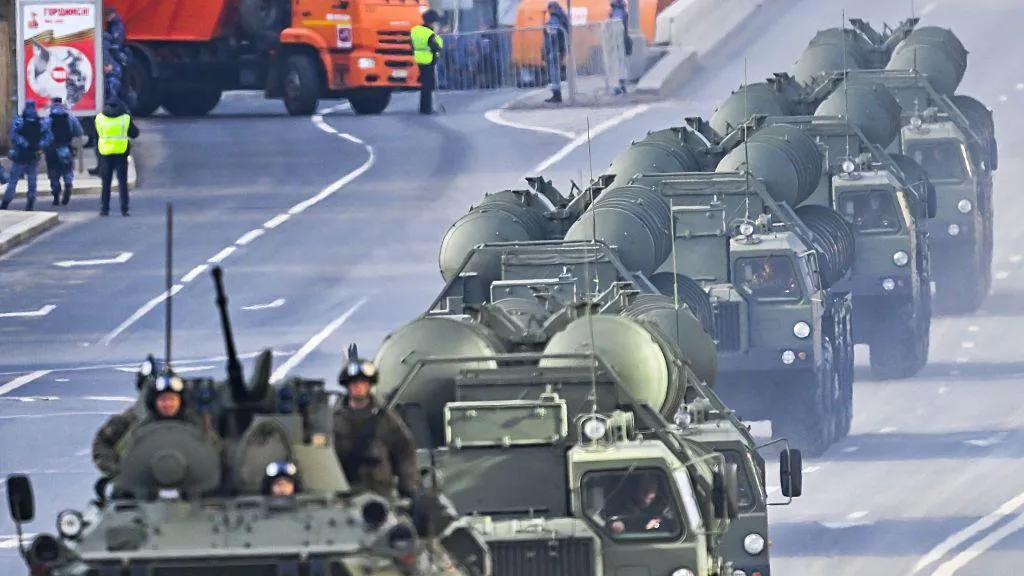
- S-400 missile defence systems, crucial in India’s conflict with Pakistan earlier this year
- Existing submarines, tanks, and helicopters
New Defence Deals on the Table
Reports indicate India may seek:
- Su-57 fifth-generation fighter jets
- S-500 advanced air defence system
- Upgrades to existing Russian platforms
However, Russia’s defence output has slowed due to:
- Sanctions
- Shortage of components
- Pressure of wartime production
Some S-400 deliveries are already delayed to 2026, something Modi is expected to address.
➡️ India wants strong guarantees and faster timelines before committing to new purchases.
Geopolitics: Modi’s Test of Strategic Autonomy: Putin is visiting India
For years, India has followed a policy of strategic autonomy—maintaining strong ties with both Russia and Western nations without aligning fully with either camp.
Modi has:
- Refused to condemn Russia publicly over Ukraine
- Continued buying discounted Russian oil
- Deepened relations with the U.S. and Europe simultaneously
- Advocated dialogue instead of conflict
This balancing act worked—until Donald Trump returned to power.
India–U.S. Relations Are at a Low Point
- A tariff dispute remains unresolved.
- Washington is pressuring India to reduce ties with Moscow.
- European leaders recently published a rare joint article criticizing Russia—adding more pressure on New Delhi.
In this context, Putin’s visit becomes a major diplomatic test for Modi:
✔️ Maintain India’s independence
✔️ Strengthen ties with Russia
✔️ Avoid damaging relations with the U.S. and Europe
Walking this tightrope defines India’s foreign policy today.
Economic Cooperation: Correcting an Imbalanced Trade Relationship: Putin is visiting India.
India–Russia bilateral trade has grown sharply:
- 2020: $8.1 billion
- March 2025: $68.7 billion
However, this growth is mostly due to India buying cheap Russian oil—creating a huge trade imbalance in Russia’s favour.
India Wants More Market Access
Indian exports to Russia are surprisingly low:
- Smartphones: $75.9 million
- Shrimp: $75.7 million
- Meat: $63 million
- Garments: just $20.9 million
Modi wants Russia to:
- Import more Indian electronics, textiles, food products, and consumer goods
- Reduce barriers in Russian retail markets
- Help India diversify trade beyond oil and defence
This becomes especially important as India reduces oil imports under U.S. sanctions pressure.
Putin is visiting India matters right now.
According to the Global Trade Research Initiative (GTRI), this visit is not just symbolic—it is a negotiation about:
- Energy security
- Defence modernization
- Supply chain stability
- Reducing geopolitical risk
A modest outcome will secure oil and weapons.
An ambitious outcome could reshape regional economics and redefine India–Russia ties for the next decade.
Putin is visiting india
Putin’s visit to New Delhi highlights the evolving global power dynamic. India and Russia are strengthening their partnership at a time when global alliances are shifting rapidly. For Modi, the challenge is maintaining strategic balance—deepening ties with Moscow while keeping doors open to Washington and Europe.
For Russia, the message is clear:
➡️ Despite sanctions and isolation from Europe, Moscow still has influential friends in Asia.
This visit may not change the world overnight, but it will shape the strategic choices India and Russia make in the years ahead.
