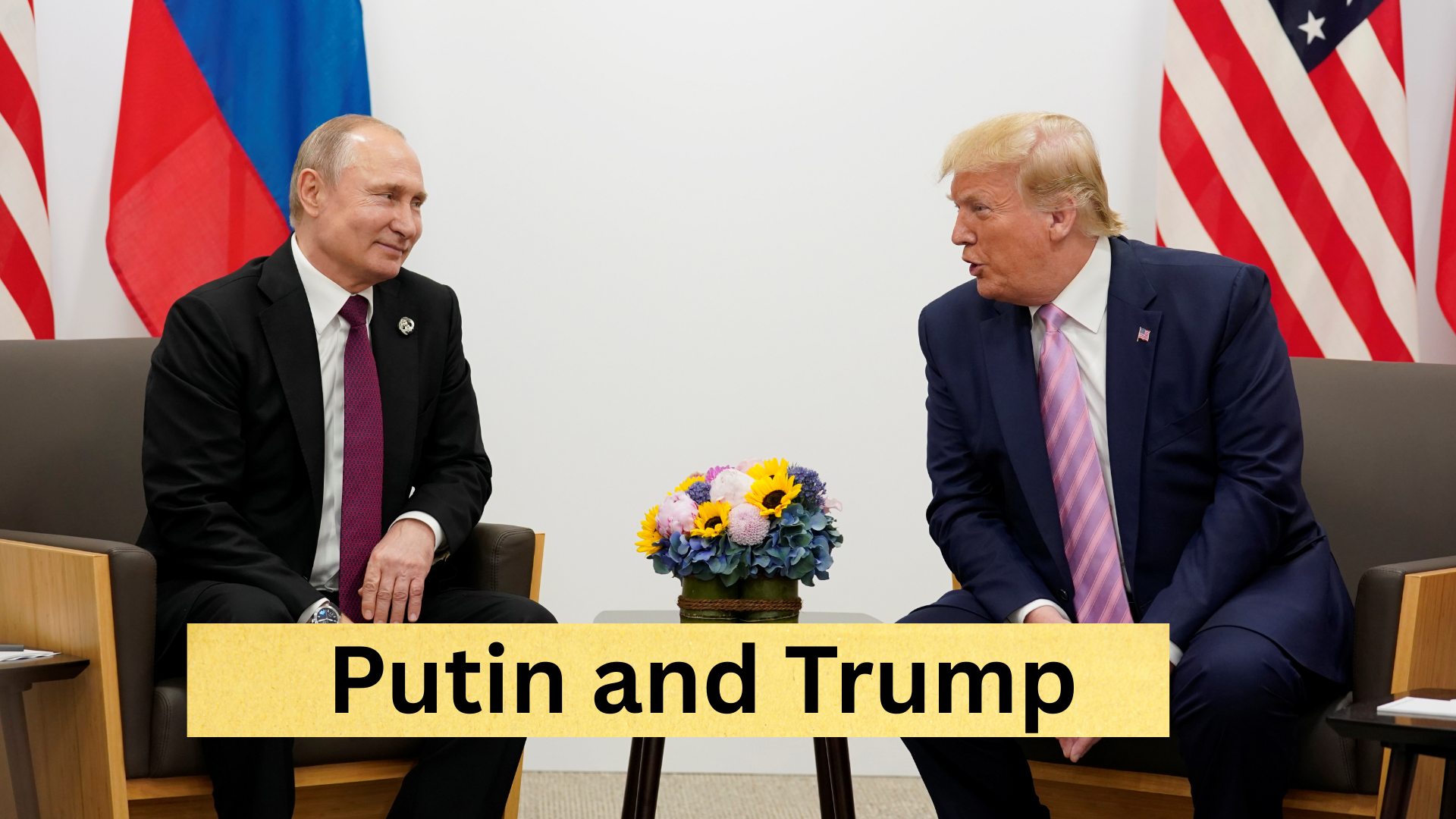
US strategy and Russia: has welcomed the United States’ newly released National Security Strategy, stating that much of the document is “largely consistent” with Moscow’s long-standing geopolitical vision. The 33-page report, introduced by the US administration last week, marks a notable tonal shift in Washington’s foreign-policy messaging and has triggered varied reactions across Europe, NATO states, and policy experts.
US strategy and Russia The strategy refrains from portraying Russia as a primary threat to the United States and instead focuses on civilisational concerns within Europe, the future of Western identity, and the need to re-shape geopolitical priorities. The report also highlights issues such as foreign influence, migration, and freedom of expression, while raising questions about the long-term stability of European democracies.
Moscow’s response, European concerns, and the broader geopolitical implications have all become major topics of discussion, particularly at a time when the US and EU remain engaged in ongoing negotiations on a potential peace framework for Ukraine.
US strategy and Russia This detailed report examines the contents of the new US strategy, reactions from Moscow, Europe, US lawmakers, and policy experts, and what the shift may mean for global security dynamics.
1. Kremlin Welcomes Strategic Shift From Washington
1.1 Peskov: “Consistent With Our Vision”
US strategy and Russia In a statement published by Russia’s state news agency TASS, Kremlin spokesperson Dmitry Peskov described the new US Security Strategy as a “positive step” toward stabilising relations.
According to Peskov:
- The adjustments made in the US strategy align closely with Moscow’s worldview.
- Russia views the shift as an opportunity for improved bilateral dialogue.
- Moscow intends to study the strategy further before forming deeper conclusions.
This marks one of the few instances in recent years when Russia has publicly welcomed a US strategic document, especially one related to security.
1.2 US strategy and Russia Notes Absence of “Threat Narrative”
US strategy and Russia The new US strategy does not identify Russia as a hostile power or direct threat to American interests. This is a noticeable departure from previous strategies, which emphasised Russia’s military posture, cyber operations, and influence campaigns.
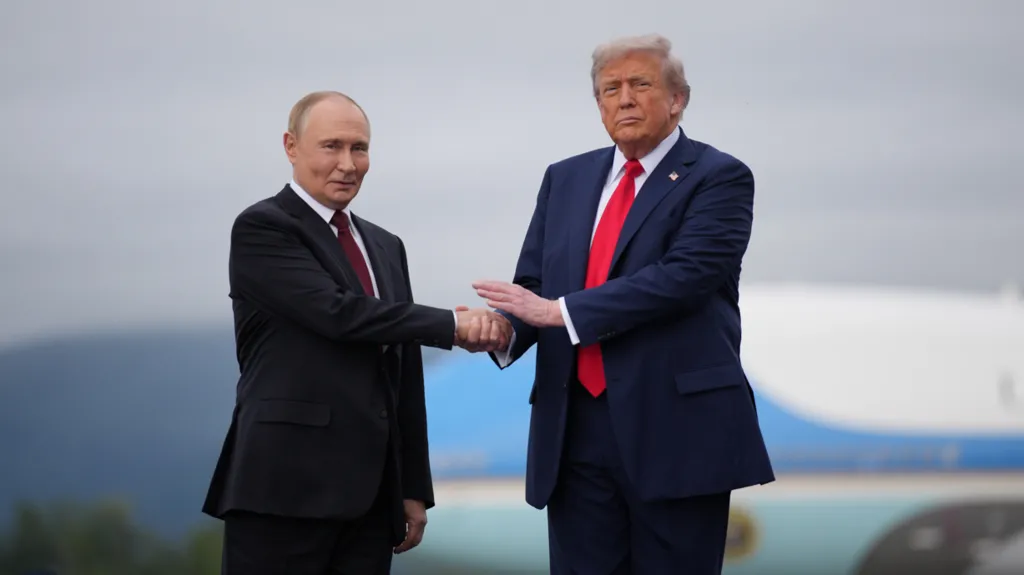
Moscow sees the shift as a potential easing of long-standing tensions, especially within the context of the Ukraine conflict and broader East-West relations.
2. What the New US National Security Strategy Says
The 33-page document outlines several key priorities that redefine Washington’s approach to global challenges.
2.1 Europe Facing “Civilisational Erasure”
The strategy suggests that Europe is experiencing:
- A decline in cultural and demographic stability
- A weakening of economic competitiveness
- Risks to its long-standing political identity
The report claims Europe may become “unrecognisable in 20 years or less” unless structural changes are made.
2.2 No Direct Classification of Russia as a Threat
Rather than depicting Russia as an adversary, the strategy states that:
- The US must re-establish “strategic stability” with Russia
- Such stability would help “stabilise European economies”
- European nations need to reconsider their current trajectory
This wording has raised concerns among European governments, who fear that a softer US stance may undermine Western unity on issues involving Russia.
2.3 Emphasis on Foreign Influence, Migration, and Expression
The report highlights the need to:
- Combat foreign influence operations
- Address mass migration
- Counter perceived restrictions on freedom of expression
European officials argue these themes mirror narratives frequently used by Russian state media and policymakers.
3. European Union Reacts With Caution US strategy and Russia
While Moscow has welcomed the US strategy, several EU officials have expressed concern about the document’s tone and potential consequences.
3.1 Germany Questions Strategy’s Focus
German Foreign Minister Wadephul stated that:
- The US remains Germany’s most important NATO ally
- However, freedom of expression and societal organisation should not define the US-EU strategic platform
- The strategy’s insertion of domestic European issues raises “questions”
Germany fears that the US may be shifting toward a geopolitical posture that challenges EU institutions rather than supporting them.
3.2 Concerns About NATO Unity
European policymakers worry that:
- A softer position toward Russia could weaken Europe’s negotiating leverage
- NATO cohesion may face pressure
- The war in Ukraine could see shifts in US involvement
Some EU states interpret the strategy as endorsing influence within European domestic politics, especially through support of “patriotic European parties.”
4. Think Tanks Warn of “Kremlin-Style Language”
The European Council on Foreign Relations (ECFR) described the new US strategy as politically provocative.
Former Swedish Prime Minister Carl Bildt, an ECFR co-chair, wrote that the strategy:
- Places itself “to the right of the extreme right”
- Echoes language found in “bizarre minds of the Kremlin”
- Could reshape the ideological spectrum of transatlantic relations
These reactions highlight a major concern within European analytical circles: whether the US is adopting a worldview more aligned with Russia’s ideological framing than with traditional Western alliances.
5. Growing US Ties With Europe’s Far-Right Parties
The strategy’s positive references to “patriotic European parties” have sparked debate. In countries like Germany, the far-right AfD—classified as extremist by German intelligence—has increased contact with US political actors.
European officials fear that:
- Such alliances could destabilise EU institutions
- Domestic politics in Europe may be influenced from abroad
- US support for certain ideological movements could deepen divisions within the continent
The issue is particularly sensitive as many European democracies grapple with rising populist, nationalist, and anti-EU sentiment.
6. US strategy and Russia US Global Security Priorities Beyond Europe
The strategy outlines other major security priorities, including regional issues and military considerations.
6.1 Anti-Drug Operations in Caribbean and Pacific Regions
The document proposes:
- Targeting drug-trafficking boats
- Considering military action in Venezuela
- Expanding naval operations in the Caribbean Sea and eastern Pacific
These measures indicate a broader hemispheric approach to security enforcement.
6.2 Increased Defence Spending From Key Allies
The US calls for higher military expenditures from:
- Japan
- South Korea
- Australia
- Taiwan
The strategy emphasises maintaining regional stability and preparing for potential challenges in the Indo-Pacific.
7. US Lawmakers Criticise Strategy US strategy and Russia
Some members of the US Congress have strongly criticised the new document.
7.1 Democrats Say It Damages American Leadership
Representative Jason Crow of Colorado warned that the strategy could be:
- “Catastrophic to America’s standing in the world”
- Harmful to long-held alliances
- A setback in global diplomacy
Representative Gregory Meeks from New York noted the strategy:
- “Discards decades of value-based, US leadership”
- Risks disrupting traditional American foreign policy foundations
US strategy and Russia These criticisms reflect concerns that the strategy may shift the US away from its established international role toward a more ideologically driven foreign policy.
8. Implications for the Ukraine Conflict
The United States and the European Union are currently engaged in discussions with Russia regarding a potential peace framework for Ukraine.
8.1 EU Fears a Weakening of Support
EU officials worry that:
- A softer stance toward Russia may reduce Ukraine’s negotiating power
- Moscow may gain leverage in ongoing diplomatic channels
- Transatlantic alignment on the conflict may weaken
The strategy’s ambiguity on Russia’s role has raised questions about future US involvement in the conflict and its commitment to Ukraine.
8.2 Russia Sees Opportunity for De-Escalation
From Moscow’s perspective:
- The shift may lead to dialogue on stabilisation
- Economic partnership possibilities with Europe could reopen
- Tensions could be softened through strategic recalibration
The Kremlin’s positive reaction suggests hopes for improved geopolitical conditions.
9. Europe’s Long-Term Concerns About Strategic Autonomy
The new US strategy has revived debate about Europe’s reliance on the United States.
9.1 Risks of Dependence on US Foreign Policy
European leaders acknowledge that:
- Shifts in US policy force Europe to reconsider its defence posture
- The continent may need greater independent strategic capabilities
- Alliances need long-term predictability, which sudden policy shifts do not guarantee
9.2 Potential Rise of a More Autonomous EU Security Approach
Some EU policymakers argue that:
- Europe should strengthen its own defence industry
- EU-level military capabilities must be expanded
- Strategic autonomy is essential in a shifting global environment
The new US strategy accelerates these discussions.
10. Future of US–EU Relations
The document has introduced uncertainty into transatlantic politics.
10.1 Cooperation Remains, But With New Tensions
While both sides continue to cooperate on defence and diplomacy, tensions include:
- Diverging views on Russia
- Differing interpretations of Europe’s internal issues
- New priorities that may challenge traditional alliances
10.2 EU Officials Stress Importance of Dialogue
Despite concerns, European leaders stress that:
- Dialogue with the US remains essential
- The NATO alliance continues to be central to European security
- Open communication can address uncertainties in the new strategy
11. Expert Opinions on Geopolitical Shifts US strategy and Russia
Analysts highlight several possible consequences of the US strategic shift.
11.1 Potential Realignment Within Europe
Experts suggest that:
- US support for specific political parties could influence European elections
- Some governments may reassess alignment with Washington
- Political fragmentation in Europe could rise
11.2 Likely Impact on Global Power Balance
If the US and Russia find areas of agreement, consequences may include:
- Reconfigured diplomatic relations
- Altered influence in multilateral organisations
- New dynamics in global conflict resolution
12. How the Strategy Reflects a Broader Geopolitical Trend
The document fits into larger global trends shaping international relations.
12.1 Growing Emphasis on Identity-Based Politics
The strategy’s focus on:
- “Western identity”
- Cultural preservation
- Domestic political realignments
reflects an emerging global trend of ideologically framed foreign policy.
12.2 Strategic Competition Less About Military, More About Influence
Global competition increasingly revolves around:
- Information influence
- Political narratives
- Demographic trends
- Social cohesion
The new US document appears to reflect this realignment.
13. International Reactions Beyond Europe and Russia US strategy and Russia
Countries outside Europe have also taken note of the strategy.
13.1 Asian Allies Respond to Defence Spending Requests
Nations such as:
- Japan
- South Korea
- Taiwan
- Australia
are assessing how increased defence commitments may affect budgets and regional priorities.
13.2 Latin America Watches US Policy Toward Venezuela: US strategy and Russia
The potential for military action related to anti-drug operations has raised concerns among:
- Regional governments
- Security analysts
- Human rights organisations
Latin American countries remain cautious about implications for sovereignty.
14. Conclusion: A Strategy That Signals New Global Alignments US strategy and Russia
US strategy and Russia The new US National Security Strategy marks a significant departure from previous approaches. Moscow has expressed support, highlighting areas where the American document aligns with Russian thinking. European leaders, however, view the report with caution and concern, especially regarding its tone, focus, and implications for regional stability.
As the US, Russia, and EU navigate ongoing discussions on the Ukraine conflict, the new strategy may influence diplomatic negotiations, transatlantic relations, and global power dynamics. The coming months will determine whether this shift leads to more cooperation or increased international uncertainty.
The strategy’s long-term impact will depend on how stakeholders respond, how alliances adapt, and how global security challenges evolve in an increasingly complex geopolitical environment.
