
A major legal battle over U.S. immigration policy reached a turning point after a federal judge rejected a business group’s challenge to former President Donald Trump’s $100,000 H-1B visa fee. The ruling, which supports the administration’s authority to implement the policy, triggered strong reactions from companies, workers, state governments, and legal experts.
The decision is now shaping discussions about the future of skilled immigration, labor markets, and the rising cost of hiring foreign talent in the United States.
Judge Upholds Trump’s Decision on the H-1B visa fee
U.S. District Judge Beryl Howell ruled that the H-1B visa fee fell under the president’s broad immigration powers. According to the judge, courts cannot intervene in political decisions as long as they comply with existing federal law.
She stated that the government had presented sufficient evidence supporting its claim that the H-1B program was displacing American workers. As a result, she concluded that the fee increase aligned with the administration’s stated purpose.
The ruling immediately attracted national attention because the H-1B program plays a central role in hiring foreign professionals in technology, healthcare, engineering, finance, and research.
H-1B visa fee: Business Groups Warn of Rising Hiring Costs
The U.S. Chamber of Commerce, which filed the lawsuit, argued that the $100,000 H-1B visa fee was extreme and harmful. Business leaders warned that the sudden increase from the typical $2,000–$5,000 cost would force employers to rethink their hiring strategies.
Daryl Joseffer, the Chamber’s executive vice president and chief counsel, said that many small and medium-sized companies simply cannot afford the new cost. He argued that the fee would reduce innovation, slow economic growth, and limit access to vital skills.
Although the judge dismissed the challenge, the Chamber announced it is considering additional legal action.
Understanding the H-1B Visa Program
The H-1B program allows U.S. employers to hire highly skilled foreign professionals in industries that experience talent shortages. Tech companies, hospitals, pharmaceutical firms, research institutions, and universities heavily rely on these visas.
Under the program:
- 65,000 H-1B visas are issued each year
- An additional 20,000 visas go to applicants with advanced degrees
- Approved visas last three to six years
For many global professionals, the H-1B visa is a primary pathway to U.S. employment and long-term residency. As a result, any major policy change impacts thousands of companies and workers every year.
Why the Trump Administration Imposed the $100,000 H-1B visa fee
The Trump administration argued that foreign workers were replacing Americans in certain sectors. To address this concern, the president used his authority under federal immigration law, claiming that restricting the entry of certain workers would protect U.S. interests.
The administration cited several examples where companies laid off American workers while simultaneously increasing H-1B hiring. These incidents were presented as justification for the dramatic fee increase.
The new policy marked one of the largest changes ever introduced to the employment-based visa system.
Key Arguments from the Business Community
Companies opposing the increased H-1B visa fee presented several concerns:
1. Increased Labor Expenses
Employers would need to pay 20 to 50 times more than before, raising the overall cost of hiring foreign professionals.
2. Reduced Competitiveness
Many firms rely on H-1B workers to meet specialized skill needs. Higher costs could limit their ability to compete globally.
3. Hiring Freezes or Layoffs
Some small and medium-sized enterprises might cut jobs or reduce services to manage the sudden rise in costs.
4. Impact on Tech Innovation
Startups and research firms warned that the rule could weaken the country’s leadership in technology and scientific advancement.
Despite these concerns, the court held that the president acted within legal authority.
What Judge Howell’s Ruling Means for Employers
The ruling has immediate consequences for employers across the United States. Companies that rely on foreign talent will now need to reassess their workforce planning, hiring budgets, and long-term recruitment strategies.
Recruiters and human resource teams may face new challenges:
- Recalculating hiring budgets
- Delaying or canceling foreign recruitment
- Choosing between domestic candidates with limited availability
- Rethinking outsourcing strategies
Larger corporations may absorb the cost more easily, but smaller firms could struggle to keep up.
How the Ruling Affects Foreign Workers
The decision also has significant implications for skilled foreign professionals seeking opportunities in the United States. A higher H-1B visa fee could reduce their chances of being sponsored by employers.
Foreign workers may face:
- Fewer job offers from U.S. companies
- Delays in recruitment or onboarding
- More competition for fewer approved H-1B positions
- Increased uncertainty about long-term career planning
Many applicants already face a competitive lottery system; the fee adds another barrier.
State Governments Join Legal Battles Against the Fee
A group of Democratic-led states filed separate lawsuits challenging the new fee, arguing that it harms local economies and slows job growth. Universities, hospitals, nonprofits, and religious organizations also joined these efforts.
State officials warned that the fee undermines their ability to attract global talent for research programs, healthcare services, and community support initiatives.
Although the latest ruling rejected one challenge, several related cases remain active.
Why Some Groups Support the Fee Increase
Not everyone opposes the policy. Some advocacy groups believe the H-1B visa fee helps protect American workers. They argue that companies must prioritize citizens and permanent residents before turning to foreign labor.
These groups claim that the fee acts as a filter, preventing misuse of the program and ensuring that only employers with genuine talent shortages choose to sponsor foreign workers.
The debate reflects broader disagreements about how immigration should support the U.S. labor market.
Historical Context: H-1B Policy Changes Over the Years
The H-1B program has undergone many changes since its creation. Different administrations have adjusted regulations, eligibility criteria, and filing fees.
Major historical developments include:
- Caps introduced in the 1990s
- Fee increases during the Obama administration
- Stricter enforcement during the Trump era
- Lottery system automation under recent reforms
However, the $100,000 H-1B visa fee stands out as the most controversial change in decades.
How the Decision Impacts the Tech Industry
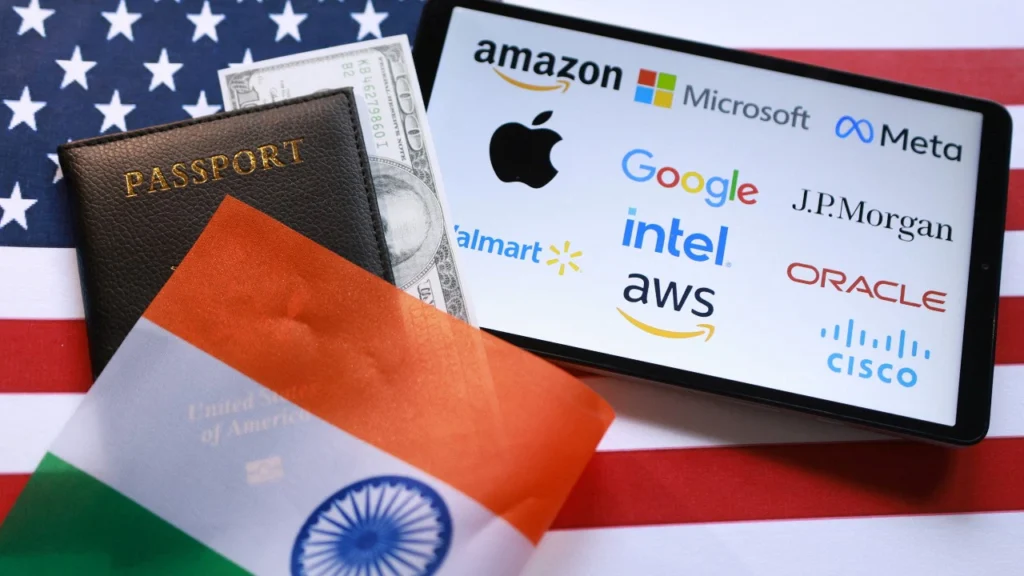
The technology sector is the largest user of H-1B visas. Companies like Google, Amazon, Apple, Microsoft, and Meta rely heavily on global talent.
According to industry reports, tech companies hire thousands of H-1B professionals each year for roles such as:
- Software engineering
- Data science
- Cybersecurity
- Cloud architecture
- Artificial intelligence research
A sudden fee increase could significantly alter hiring patterns, especially for smaller tech firms and startups.
Healthcare and Research Institutions Face New Obstacles
Hospitals, medical research centers, and pharmaceutical companies also depend on foreign specialists. Many physicians, researchers, and scientists come to the U.S. through the H-1B program.
With the fee now upheld, these institutions may need to reconsider their budgets. Some fear that patient care and scientific progress could slow if the cost becomes unsustainable.
Educational Institutions Raise Concerns
Universities hire professors, researchers, and technical staff through the H-1B system. Academic leaders have long warned that limitations on the program harm the country’s innovation ecosystem.
The new fee may reduce international collaboration and hinder the ability of colleges to attract world-class talent.
Economic Impact of the New H-1B Visa Fee
Economists believe the ruling could have wide-ranging consequences for the labor market. The fee may:
- Increase demand for domestic workers
- Slow down certain industries
- Reduce the number of H-1B applications
- Affect wage structures in specialized fields
Several experts predict that companies may relocate parts of their operations overseas to avoid the high costs.
Is the Fee Likely to Remain in Place?
Although the judge upheld the H-1B visa fee, ongoing lawsuits and potential policy shifts under future administrations may influence the long-term outcome.
Immigration regulations often change after elections or political realignments. Therefore, employers and workers are watching closely for further developments.
Global Reactions to the Court Decision
Countries that send large numbers of H-1B workers — including India, China, Canada, and the Philippines — have expressed concern about the ruling.
International staffing agencies and outsourcing firms anticipate significant disruptions. Many are advising clients to explore alternative visa categories or remote hiring strategies.
Will the Fee Change the H-1B Lottery?
It is unclear whether the fee will reduce the number of applicants. Historically, the H-1B lottery receives far more submissions than available slots.
However, experts believe that the fee could shift participation patterns:
- Big corporations may continue applying
- Smaller employers may withdraw
- Foreign workers may seek opportunities in Canada, Europe, or Australia
These changes could reshape the competitive landscape of high-skilled immigration.
H-1B visa fee: Political Debate Continues Over Skilled Immigration
The ruling adds fuel to an ongoing national debate about immigration. Supporters view the fee as a necessary protection for American workers. Critics believe it harms innovation, restricts growth, and undermines the country’s global competitiveness.
Congress remains divided on broader immigration reform, leaving the future of the H-1B program uncertain.
What Happens Next?
The Chamber of Commerce is preparing to review its options. Additional lawsuits may follow, and states involved in separate cases continue pushing forward.
Immigration policy experts expect appeals and legislative proposals in the coming months.
Conclusion: A Critical Moment for U.S. Skilled Immigration: H-1B visa fee
The judge’s decision to uphold the H-1B visa fee marks one of the most consequential immigration rulings in recent years. It affects employers, foreign professionals, state governments, and entire industries.
As legal challenges continue and political debate intensifies, the future of the H-1B program remains a major topic of national importance. Companies, workers, and policymakers are now reassessing their roles in a rapidly changing immigration landscape.
