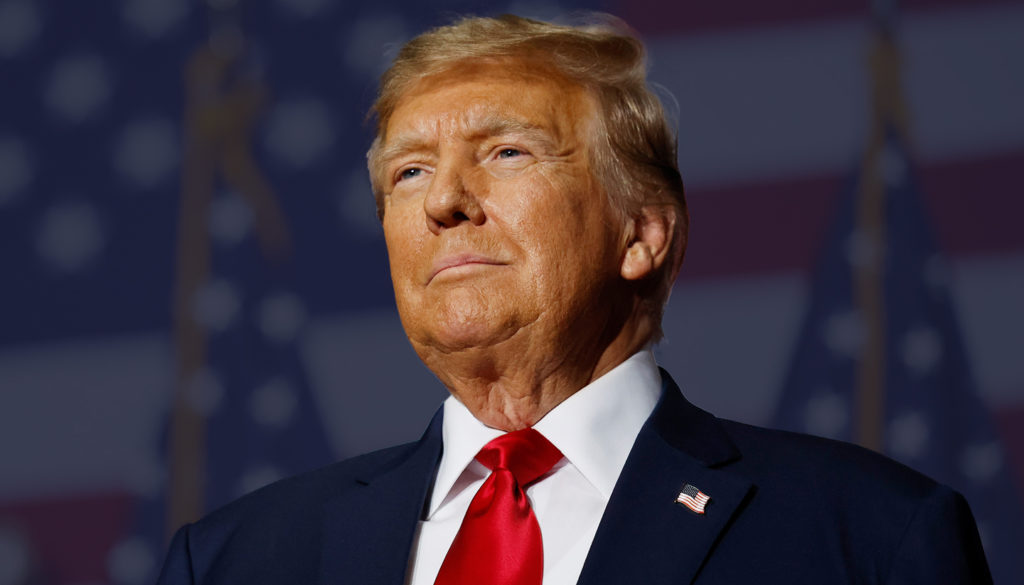
The proposed Netflix–Warner Bros deal, valued at $72 billion, has quickly become one of the most debated developments in global entertainment. US President Donald Trump publicly expressed concerns about the scale and market implications of the merger, saying the combined size of the companies “could be a problem.”
His remarks have now placed a major spotlight on the regulatory process and intensified discussion about whether the deal may reshape the competitive landscape of global streaming. Despite industry excitement over potential content expansion for Netflix, the merger still requires approval from US competition authorities, who will evaluate whether the partnership could harm consumers, workers, or the broader media ecosystem.
This report presents a comprehensive overview of the evolving situation, the reactions it has triggered, and the regulatory challenges likely to surface as the Netflix–Warner Bros deal moves forward.
Background of the Netflix–Warner Bros Deal
Netflix, launched in 1997 as a DVD-by-mail service, has grown into the world’s largest streaming platform with more than 270 million global subscribers. Warner Bros Discovery, the parent company of HBO, Cartoon Network, and a vast entertainment library, is one of the most influential content producers in the world.
On Friday, the two companies announced that they reached an agreement that would transfer several major Warner Bros franchises to Netflix, including:
- Harry Potter
- Game of Thrones
- The Matrix
- Lord of the Rings
- Looney Tunes
This move would create one of the most powerful entertainment catalogs under a single streaming service.
The Netflix–Warner Bros deal is expected to close after Warner Bros completes the restructuring and division of its business in the second half of 2026.
Related
Netflix to Buy Warner Bros Film & Streaming Units in $72 Billion Mega Deal
Trump Flags Concerns Over the Netflix–Warner Bros Deal
Speaking at an event at the John F. Kennedy Center in Washington DC, President Trump said Netflix already holds “a very big market share,” and the company’s influence could “go up by a lot” if the merger is approved.
He emphasized that the size of the combined entity—and the potential market dominance arising from the deal—may create conditions that regulators must examine closely.
Trump also confirmed that he plans to be personally involved in reviewing the merger, marking an unusual level of direct presidential involvement in what is typically a technical antitrust evaluation conducted by the US Justice Department.
His comments have raised speculation about whether political considerations may influence regulatory decisions in this case.
Ted Sarandos’ Visit to the Oval Office
President Trump also noted that Netflix co-CEO Ted Sarandos recently visited the Oval Office. Trump praised Sarandos for leading Netflix during a transformative era in entertainment and said:
“I have a lot of respect for him. He’s a great person. He’s done one of the greatest jobs in the history of movies.”
Sarandos has not publicly commented on the meeting. However, he previously acknowledged that the merger announcement may have surprised investors. Still, he described the deal as an essential step to secure Netflix’s success for the “decades to come.”
The positive relationship between the White House and Netflix leadership introduces added complexity to the public conversation. While Trump praised Sarandos, he also stressed that the companies’ combined size could create competitive challenges.
Industry Reactions to the Netflix–Warner Bros Deal
Industry analysts say the merger could significantly reshape the streaming business. Some experts believe that Netflix will strengthen its global leadership by gaining access to Warner Bros’ extensive content library. Others warn that the merger could reduce the variety of entertainment options available to consumers.
Blair Westlake’s Perspective
Blair Westlake, former chair of Universal Studios’ television and networks group, said that the primary concern surrounds the merging of Netflix and Warner Bros’ HBO streaming business.
He explained that Netflix’s content library is smaller than Warner Bros’ historic catalog, and the deal could dramatically expand Netflix’s control over popular franchises.
Westlake also pointed out that consumer viewing habits are shifting. Although Netflix dominates among paid streaming platforms, YouTube remains the world’s most-used video destination. Therefore, regulators may have to consider whether the streaming market should be defined narrowly or broadly.
A narrow definition focused only on subscription services might show Netflix holding excessive power. A broader definition that includes cable television, broadcast networks, and free platforms like YouTube may show a more competitive landscape.
Regulatory Challenges Ahead for the Netflix–Warner Bros Deal
The US Justice Department’s antitrust division is expected to conduct an extensive review of the merger. If regulators believe the combined company holds too much control over streaming content, they may argue that the deal violates US competition laws.
Antitrust experts say the following concerns may arise:
1. Market Consolidation
Netflix already leads the global streaming industry. If it acquires Warner Bros’ franchises and HBO content, its market power could increase significantly, potentially limiting competition.
2. Consumer Choice and Pricing
A reduction in competition often leads to higher subscription prices and fewer choices. Critics argue that Netflix may eventually raise subscription costs after gaining exclusive access to major franchises.
3. Content Diversity
Smaller production houses and independent creators may struggle to compete if a single platform dominates content distribution. There are fears that the entertainment landscape may become less diverse.
4. Employment Impact
Writers’ unions and industry workers warn that mergers often result in job cuts, reduced wages, and fewer opportunities for creative professionals.
5. Anti-Competitive Behavior
If Netflix controls a massive content library, it might limit availability to rival platforms, reducing consumer access and harming competition.
Experts expect regulators to demand concessions, such as licensing commitments or content-sharing agreements, before approving the deal.
Experts Predict Potential White House Influence
Bill Kovacic, former chair of the US Federal Trade Commission, said Trump’s public comments indicate that discussions about the merger will likely involve significant White House oversight.
He described the situation as “unprecedented,” noting that presidential involvement in merger decisions is rare. Typically, competition authorities handle technical evaluations independently.
The Netflix–Warner Bros deal may now become a political topic, adding uncertainty to the regulatory process.
Rival Companies and Bidding History
Before reaching an agreement with Netflix, Warner Bros received offers from other major companies. Comcast and Paramount Skydance were among the top contenders.
Paramount Skydance’s Previous Attempt
Paramount Skydance, led by David Ellison, previously attempted to purchase Warner Bros entirely, including:
- Warner Bros Studio
- HBO
- Turner networks
- Cable divisions
Warner Bros rejected the offer before later deciding to put the company up for sale in segments.
David Ellison’s father, Larry Ellison, is a close ally of President Trump. Some analysts have speculated whether political relationships could influence the review process. However, no evidence has emerged to suggest direct involvement in regulatory decisions.
Writers Guild Calls for Blocking the Netflix–Warner Bros deal
The Writers Guild of America (WGA) has strongly opposed the merger, arguing that it would harm workers and consumers. The East and West branches released a joint statement saying the Netflix–Warner Bros deal represents exactly the type of consolidation that antitrust laws are meant to prevent.
According to the WGA, potential outcomes include:
- Job losses across entertainment sectors
- Decreased wages
- Increased workloads
- Reduced diversity of content
- Fewer opportunities for independent creators
- Higher prices for consumers
The guild urged regulators to block the merger outright.
What the Netflix–Warner Bros Deal Means for the Streaming Industry
If approved, the merger would create a streaming powerhouse. The combination of Netflix’s global reach and Warner Bros’ extensive content library could redefine viewer expectations.
Impact on Global Subscribers
Netflix is likely to attract millions of new subscribers seeking access to franchises like Harry Potter and Game of Thrones. This surge may widen the gap between Netflix and other streaming rivals, including Disney+, Amazon Prime Video, and Apple TV+.
Shift in Content Strategy
Netflix may focus even more heavily on franchise-driven content, prioritizing major intellectual properties over smaller productions. This shift would align with industry trends, where franchises increasingly dominate global entertainment markets.
Licensing vs. Exclusivity
Industry watchers are curious whether Netflix will license Warner Bros content internationally or restrict access to its platform alone. Exclusivity could provide an advantage for Netflix but may trigger additional antitrust scrutiny.
The Role of YouTube and Traditional TV
Blair Westlake highlighted that many people underestimate YouTube’s influence in the global video market. YouTube consistently outperforms subscription platforms in total watch time.
If regulators adopt a broad definition of the entertainment market—one that includes YouTube, cable networks, and traditional television—Netflix may appear less dominant. This broader perspective could support approval of the Netflix–Warner Bros deal.
However, if regulators focus exclusively on subscription streaming, Netflix may seem overpowering.
Potential Concessions Netflix May Need to Make
Experts predict that regulators will not allow the merger to proceed without modifications. Netflix may be required to:
- Share certain Warner Bros titles with rival platforms
- Maintain fair licensing practices
- Avoid exclusive access to entire franchise categories
- Commit to workforce protections
- Guarantee pricing stability
- Ensure transparency in content distribution
Such concessions would aim to protect consumers and promote competition.
Political Significance of the Netflix–Warner Bros deal
President Trump’s involvement adds a political dimension rarely seen in entertainment mergers. His allies and critics will likely scrutinize the decision closely.
Trump’s remarks suggest:
- The White House will monitor the merger
- There will be strong pressure on regulators
- Analysis will extend beyond technical factors
- Market share and public interest may guide decisions
Political narratives may also shape public perceptions of the agreement.
What Happens Next? Timeline for the Netflix–Warner Bros Deal
The merger review process includes several steps:
1. Warner Bros completes restructuring (2026)
The company must split parts of its business before Netflix legally acquires content assets.
2. US Justice Department review
Antitrust regulators will evaluate market impact and identify competition risks.
3. Public consultations
Unions, competitors, consumer groups, and industry specialists may participate.
4. Possible negotiations
Netflix may offer concessions to ease regulatory concerns.
5. Final decision
Regulators will either:
- Approve the deal
- Approve with conditions
- Block the merger entirely
The entire process may take many months.
Global Implications of the Netflix–Warner Bros Deal
Streaming platforms operate worldwide, and the merger is likely to affect:
International licensing agreements
Some countries have local restrictions on foreign media ownership.
Distribution strategies
Netflix may reorganize how Warner Bros titles are released globally.
Competitor responses
Rival companies may accelerate their own acquisitions to remain competitive.
Content localization
More dubbing, subtitles, and regional adaptations may become necessary.
Cultural influence
A single platform could shape entertainment trends more strongly than before.
Netflix–Warner Bros deal: A Transformative Moment for Global Entertainment
The Netflix–Warner Bros deal represents one of the most significant entertainment mergers in decades. Supporters believe it will enrich the viewing experience, strengthen content distribution, and propel Netflix into the future with a dominant library of franchises.
However, critics warn that consolidation may hurt competition, reduce diversity, raise prices, and damage the creative workforce.
President Trump’s statement that the merger “could be a problem” has added a new layer of political attention. As regulators begin their evaluation, the world will closely watch how the deal unfolds and what it means for the future of global streaming.
Whether the merger proceeds smoothly or faces major challenges, the outcome will shape entertainment consumption for years to come.
