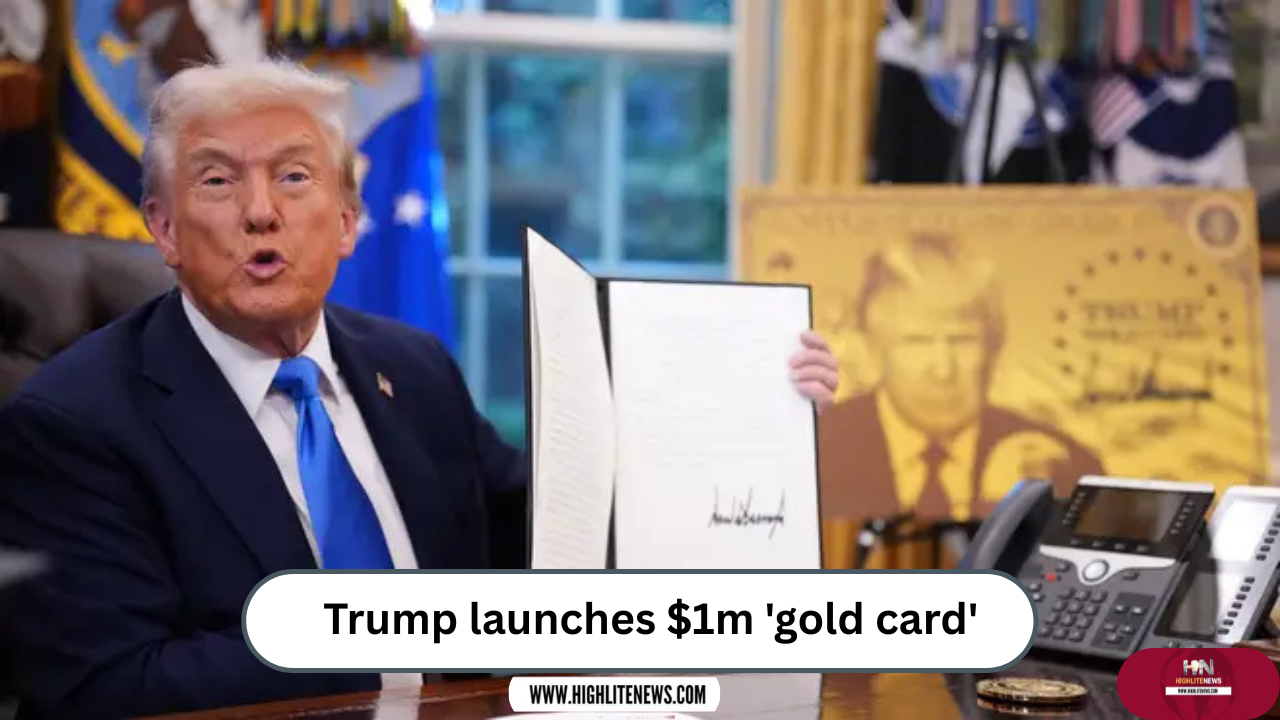
The Trump Gold Card Visa has emerged as one of the most debated US immigration initiatives in recent years. Introduced by former President Donald Trump, the scheme offers wealthy foreign nationals a new route to enter the United States by paying a minimum of $1 million. Marketed as a “direct path to citizenship,” the programme promises faster processing, business benefits, and preferential treatment for highly skilled professionals.
The idea has sparked global interest, created political controversy, and reshaped discussions about immigration fairness. While supporters argue it will bring investment and create jobs, critics warn that it turns US residency into a luxury product accessible only to the rich.
This comprehensive analysis explains the Trump Gold Card Visa, its rules, fees, benefits, criticisms, business implications, and how it fits into the broader landscape of US immigration reform.
What Is the Trump Gold Card Visa?
The Trump Gold Card Visa is a premium immigration programme designed for wealthy individuals who can pay a minimum of $1 million to secure a fast-tracked route to living and working in the United States. According to the official programme website, the card is meant for people who can offer a “substantial benefit” to the country, whether through business investment, innovation, or professional expertise.
Unlike traditional immigration visas, which often require employer sponsorship, long waiting periods, skill verification, or diversity-based selection, this card is heavily centred on financial capability. Trump has repeatedly emphasised that the programme is aimed at “high-level people” who will contribute positively to the American economy.
Why the Trump Gold Card Visa Was Introduced
The introduction of the Trump Gold Card Visa aligns with the former president’s long-standing preference for merit-based immigration. Throughout his term and beyond, Trump argued that the United States should prioritise “productive, skilled, and high-income immigrants” rather than depend on traditional migration channels.
At the same time, the administration has also imposed bans, raised fees for work visas, tightened asylum rules, and increased deportation efforts. These combined actions signal a shift toward an immigration model that rewards financial strength and discourages lower-income migration pathways.
The Gold Card scheme fits this larger philosophy by positioning high-value investors as desirable entrants into the American system.
How Much Does the Trump Gold Card Visa Cost?

The programme has multiple pricing layers, making it one of the most expensive immigration routes in the world. The cost is divided into several categories:
1. Individual Gold Card Fee — $1 Million
This base fee acts as proof that the applicant can substantially benefit the United States. It also positions the card as a premium, exclusive product.
2. Sponsorship Fee for Businesses — $2 Million
Companies or employers wishing to sponsor top-level foreign professionals must pay an even higher fee. This significant cost is intended to discourage misuse and ensure only serious firms participate.
3. Processing Fee — Non-Refundable $15,000
Before the application is even reviewed, individuals must pay this processing charge. It does not guarantee approval, adding another layer of exclusivity.
4. Platinum Version — $5 Million
A higher-tier “Platinum Gold Card” promises tax advantages and additional privileges. Trump called this offer a “bargain,” arguing that wealthy immigrants will help boost economic growth.
5. Additional Government Charges
Depending on the applicant’s profile, background checks, legal reviews, and administrative processes may incur more costs.
These financial commitments make the Trump Gold Card Visa one of the highest-priced entry options globally, exceeding even popular investment visas in the UK, Canada, and Australia.
What Benefits Does the Trump Gold Card Visa Offer?
The scheme advertises several advantages intended to attract wealthy applicants and global investors:
1. Fast-Tracked US Residency
Applicants are promised “record time” processing, significantly faster than traditional green cards or employment visas.
2. A Direct Path to Citizenship
Trump has described the card as a gateway to citizenship for “qualified and vetted” individuals. Typically, green card holders need five years before becoming eligible for naturalisation; Gold Card timelines may be expedited.
3. Work and Residency Rights
Holders can live, work, and operate businesses across the United States without many of the restrictions imposed on other visa categories.
4. Exclusive Access for High-Level Talent
Trump emphasised that the programme targets productive individuals who will “create jobs” and support the economy.
5. Potential Tax Advantages with Platinum Tier
The premium tier reportedly includes special tax incentives, making the investment more attractive for global entrepreneurs and investors.
6. Greater Flexibility for Business Owners
Entrepreneurs can move employees, invest in American companies, or expand operations with fewer bureaucratic hurdles.
Together, these benefits position the Trump Gold Card Visa as a luxury gateway to American residency.
How the Trump Gold Card Visa Differs from a Green Card
Although Trump compared the Gold Card to existing US green cards, the programmes are fundamentally different.
Green Card:
- Available through family sponsorship, employment categories, refugee or asylum pathways, and diversity lotteries
- Lower fees
- Accessible to people across income levels
- Requires longer processing time
- Path to citizenship after five years
Gold Card Visa:
- Requires a minimum $1 million payment
- Designed exclusively for wealthy or highly skilled individuals
- Faster residency approval
- Premium tier includes tax incentives
- Less dependent on employer sponsorship
- Focused on attracting investment rather than demographic diversity
The Trump Gold Card Visa therefore represents a shift towards wealth-based immigration policy.
Why the Gold Card Visa Has Become Controversial
As expected, the programme has triggered heated debate across political, business, and immigrant communities.
1. Critics Say It Favors the Wealthy
Democratic leaders argue the plan prioritises rich applicants over hardworking migrants who rely on traditional routes. Many believe it creates an unequal system where the wealthy can “buy” citizenship.
2. Concerns About Ethical Oversight
The lack of transparency regarding who qualifies as “substantially beneficial” has raised questions about potential misuse.
3. Immigration Lawyers Warn of Legal Challenges
The Gold Card may conflict with existing policies and could face court challenges depending on its implementation details.
4. Impact on Students and Skilled Workers
The announcement of a $100,000 H-1B visa fee earlier caused widespread concern among international students and professionals. Although later clarified, the initial reaction highlighted how sensitive immigration changes can be.
5. Human Rights Concerns
Advocates worry that while the US welcomes wealthy individuals, other immigrants face rising deportations and policy crackdowns.
This mixture of economic opportunity and political tension has placed the Trump Gold Card Visa at the centre of national immigration debate.
Global Reactions to the Trump Gold Card Visa
Reactions from different countries have varied depending on economic conditions and migration patterns.
High-Income Nations
Wealthy individuals from Europe, East Asia, and the Middle East have shown interest in the programme, especially those seeking US business access or education opportunities for their children.
Developing Countries
In nations where financial inequality is high, critics argue that the Gold Card caters only to billionaires and elites, leaving skilled workers with fewer opportunities.
International Business Community
Some companies view the programme as a chance to bring top-level talent to the United States quickly, despite the high sponsorship cost.
The Trump Gold Card Visa has therefore become both a status symbol and a tool for global mobility.
How the Gold Card Fits into Trump’s Broader Immigration Strategy
Trump’s approach to immigration has been shaped by two themes:
- Tougher rules for undocumented or low-skill migrants
- Easier pathways for high-income or high-skill individuals
The Gold Card Visa fits the latter category, complementing other actions such as:
- Increased deportation operations
- Higher visa fees
- Restrictions on asylum processing
- Temporary travel bans affecting 19 countries
- Pausing immigration from specific regions
By tightening lower-income migration and rewarding wealthy entrants, the Trump administration seeks to reshape the demographic and economic profile of future immigrants.
Economic Impact of the Trump Gold Card Visa
Economists and business analysts agree on several potential impacts:
1. Increased Investment in US Companies
With a $1m minimum contribution, the programme could generate billions in capital investment.
2. Boost to Real Estate Markets
High-net-worth individuals often purchase luxury properties, contributing to real estate growth.
3. Expansion of Startups and US-Based Innovation
Wealthy immigrants may start companies that create jobs and support local economies.
4. Greater Competition Among Investors
Some experts predict that this visa could attract global investors previously interested in Canada, Australia, or the United Kingdom.
However, critics argue that the focus on wealth may not necessarily translate to long-term economic value. For example, one-time payments do not guarantee job creation or sustainable contributions.
Impact on American Workers
The Trump administration maintains that the Gold Card benefits American workers by attracting investors who create jobs. However, the actual impact depends on:
- How investments are structured
- Whether businesses expand or automate
- Regulatory oversight
Labour unions argue that wealthy immigrants may influence policy in ways that do not always align with worker interests. The effectiveness of the Trump Gold Card Visa will ultimately depend on rigorous monitoring and accountability.
Potential Legal and Policy Challenges
Any new immigration system must align with existing laws. Legal experts foresee several challenges:
1. Overlap with EB-5 Investor Visa
The United States already has an investment visa programme requiring $800,000–$1,050,000 investment in job-creating projects. The Gold Card Visa may cause legal confusion.
2. Citizenship Pathway Concerns
Fast-tracking citizenship for wealthy applicants may face judicial scrutiny.
3. Tax Incentive Conflicts
Special tax exemptions for Platinum visa holders could conflict with federal rules.
These challenges may result in modifications or delays in implementing the programme fully.
Why Wealth-Based Immigration Is Growing Worldwide
The Trump Gold Card Visa reflects a global trend where countries offer residency or citizenship to wealthy investors. Other examples include:
- Portugal’s Golden Visa
- Canada’s Investor Programme
- Australia’s Significant Investor Visa
- Greece’s residency-by-investment
- Caribbean citizenship-by-investment options
Countries use these schemes to attract foreign investment, boost GDP, and create jobs. The US is now joining this trend with its own premium pathway.
Who Is Most Likely to Apply for the Trump Gold Card Visa?
Based on early responses and global patterns, applicants may include:
1. High-net-worth individuals seeking global mobility
2. Entrepreneurs looking to expand into the US market
3. Corporate executives relocating for business
4. Families wanting US education opportunities
5. Investors wanting an alternative to EB-5 visas
The premium pricing ensures that applicants come from the wealthiest segments of society.
Supporters’ Arguments for the Trump Gold Card Visa
Supporters believe the programme will:
- Strengthen the economy
- Bring innovative thinkers into the country
- Create jobs through investment
- Keep the United States competitive globally
- Reduce reliance on lower-skilled immigration
They argue that many countries already use investor visas successfully, and the US should not be left behind.
Critics’ Arguments Against the Programme
Opponents believe the Gold Card:
- Treats citizenship as a luxury purchase
- Excludes talented but less wealthy immigrants
- Undermines traditional values of equal opportunity
- Shows bias toward elites
- Diverts attention from humanitarian immigration needs
According to critics, the Trump Gold Card Visa may deepen economic inequality in the immigration system.
Future of the Trump Gold Card Visa
The long-term success of the programme depends on:
- Political changes in the United States
- Economic conditions
- Legal challenges
- Public acceptance
- International demand
If the programme proves profitable and gains political support, it may become a permanent fixture. If not, it could face revisions or cancellation by future administrations.
Final Thoughts: The Gold Card Visa and the Changing Face of US Immigration
The Trump Gold Card Visa represents a significant shift in American immigration philosophy. By giving priority to million-dollar applicants, the programme moves away from traditional pathways that served families, refugees, skilled workers, and diversity immigrants.
Whether viewed as a smart economic strategy or an elitist policy, the Gold Card Visa has undeniably transformed how the world looks at US immigration. As Washington intensifies its crackdown on undocumented migrants and raises visa fees for foreign workers, the introduction of this premium pathway has sparked both hope and outrage.
For now, the debate continues—highlighting the complex balance between economic opportunity, fairness, national security, and humanitarian values.
