TikTok’s future in the United States has been a subject of intense political, regulatory, and public scrutiny for several years. The escalating concerns around data security, influence operations, and China’s involvement in major global technology platforms eventually pushed American lawmakers to demand significant structural changes to TikTok’s ownership. This prolonged conflict has now resulted in a landmark agreement known widely as the TikTok US deal, a restructuring plan designed to prevent a full ban on the platform in the United States.
The debate began long before the recent agreement. Since the early months of 2020, federal agencies, legislators, and cybersecurity analysts have repeatedly raised alarms about the potential national security risk associated with TikTok’s parent company, ByteDance. Because ByteDance is a Chinese-owned enterprise, lawmakers feared that American user data could be accessed by foreign authorities under Chinese national security laws. Additionally, concerns were raised about how TikTok’s recommendation system could be manipulated to influence public opinion.
Backed by bipartisan pressure, the US government initiated multiple investigations, introduced legislative proposals, and held several hearings with TikTok executives. The company consistently denied allegations of data misuse or foreign interference. However, the political momentum continued to build, especially as TikTok’s user base surged above 170 million Americans.
The situation intensified in 2024 when the US Congress passed a law requiring ByteDance to divest TikTok’s US operations or face a nationwide ban. This act was rooted in claims that foreign-controlled platforms could pose threats to public trust and national security, especially during politically sensitive periods.
Over time, the issue became a point of debate between presidential administrations. Former President Donald Trump initially attempted to force a sale in 2020, and he revisited the issue again in 2024 and 2025. President Joe Biden’s administration supported the legal framework requiring divestment but left much of the negotiation timeline to the following government, leading to a series of extensions.
After months of delays, negotiations, and diplomatic conversations, ByteDance has finally agreed to a structured ownership arrangement involving US and global investors. This development represents the most significant attempt yet to resolve the long-standing dispute between TikTok and the United States.
How the Ownership Structure Will Change Under the TikTok US Deal
The newly announced ownership model is designed to address the United States’ primary concerns while allowing TikTok to continue operating. The TikTok US deal creates a joint venture that divides ownership among American and international investors, significantly reducing ByteDance’s direct control over the app’s operations in the US.
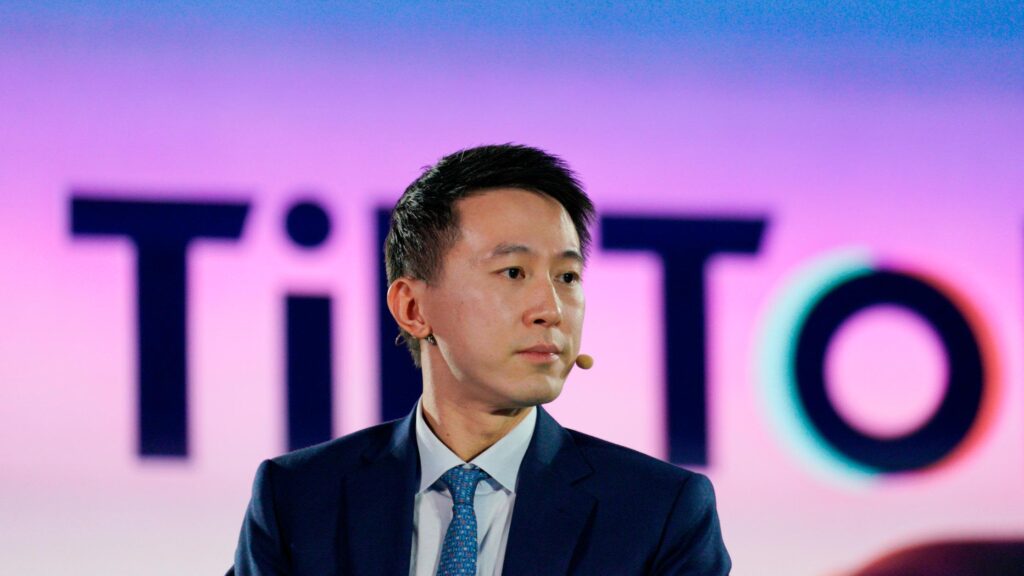
According to a memo shared with employees by TikTok CEO Shou Zi Chew, the new structure will look like this:
- Oracle: 15%
- Silver Lake: 15%
- MGX (UAE-based investment firm): 15%
- Existing ByteDance investors (US-led affiliates): 30.1%
- ByteDance itself: 19.9%
This distribution ensures that American and global partners collectively hold the majority, while ByteDance remains a minority stakeholder. The structure closely resembles a preliminary framework discussed publicly in September, which prompted the US government to pause the enforcement of the pending ban.
The deal includes operational and governance reforms. Oracle, a long-standing American tech company, will take a central role in managing sensitive technical aspects, including oversight of TikTok’s source code and recommendation algorithm.
This model is intended to ensure that American user data remains isolated from non-US jurisdictions and that key technological processes are handled independently of ByteDance’s control.
Details of the Binding Agreement Signed by ByteDance
The agreement, described as “binding” in Shou Zi Chew’s memo, signals the finalization of a complex negotiation process. Scheduled to close formally on 22 January, the deal is structured to fulfill the US government’s requirements and prevent TikTok from being removed from app stores nationwide.
The key conditions include:
- The establishment of a new US-based corporate entity
- Strict controls on data access
- Transfer of operational oversight
- Algorithm retraining under American supervision
- Compliance with US legal standards for privacy and transparency
According to the memo, the agreement will allow “more than 170 million Americans to continue discovering a world of endless possibilities as part of a vibrant global community.” This message was aimed at both employees and users who have been concerned about the platform’s future.
The signing of the agreement marks a major milestone in a multi-year standoff that included political pressure, legal disputes, and public advocacy efforts. With the deal set to close soon, the company is preparing for a new phase of operational restructuring.
A Closer Look at Oracle’s Role in the TikTok US Deal
Oracle plays a critical role in the restructuring plan due to its technological capabilities and long-standing reputation in secure cloud computing. Under the agreement, Oracle will license TikTok’s recommendation algorithm — a central component of what makes the platform unique.
This licensing arrangement is intended to address one of the major concerns of US lawmakers: algorithmic influence. Oracle will also oversee how the algorithm is retrained using American user data, ensuring that content delivery remains free from external manipulation.
The decision to select Oracle was also influenced by political dynamics. Oracle’s co-founder, Larry Ellison, is a known supporter of Donald Trump, who remains an influential figure in the negotiations surrounding TikTok. Although Oracle and Silver Lake declined to comment publicly after the deal’s announcement, their involvement is widely seen as a key factor that helped finalize the agreement.
Legislative Journey Leading to the Agreement
The path to the TikTok US deal spans multiple administrations, legislative cycles, and court challenges. The most recent and decisive action took place in April 2024, when Congress passed a law requiring ByteDance to sell TikTok’s US operations. This law was built on longstanding concerns, but it also acknowledged the economic and cultural influence of TikTok in the United States.
The law was initially set to take effect on 20 January 2025. However, former President Trump delayed its enforcement multiple times to allow negotiations for a potential deal. Trump claimed he had spoken directly with China’s President Xi Jinping about the matter, and he said the Chinese government had approved the deal framework.
Despite these developments, uncertainties remained following the leaders’ face-to-face meeting in October. With political pressure continuing to rise and deadlines approaching, both parties intensified efforts to finalize a binding agreement.
The resulting deal is therefore not only a corporate restructuring but also the outcome of prolonged diplomatic maneuvering.
Reaction from Policymakers and Critics
Not everyone in Washington is satisfied with the outcome. Senator Ron Wyden of Oregon, a Democrat known for his focus on privacy and surveillance issues, criticized the agreement. He argued that the deal does not go far enough to protect American users.
According to Wyden, the plan to retrain TikTok’s algorithm under US oversight may not fully mitigate concerns about potential influence or data exposure. Wyden believes that further protections are needed and that lawmakers must continue to scrutinize large technology platforms.
His stance reflects broader skepticism among lawmakers who remain unconvinced that partial restructuring will resolve national security risks. While some legislators support the deal due to economic considerations, others feel the agreement leaves room for future vulnerabilities.
Impact on TikTok’s 170 Million US Users
For ordinary users, the TikTok US deal provides clarity after years of uncertainty. The platform will remain operational, and users will continue to enjoy the app without disruption. However, behind the scenes, significant changes will gradually be implemented.
One of the biggest shifts involves algorithm retraining. Under the new agreement, the recommendation system — a major driver of TikTok’s popularity — will be re-engineered based on American data. The goal is to prevent any potential external influence and ensure that content recommendations are shaped by local user behavior alone.
Additionally, users may see new transparency tools, updated data policies, and improved privacy controls as part of compliance efforts.
For many creators, the clarity around the app’s future is a relief. TikTok has become a vital platform for content creation, commerce, entertainment, and cultural expression, and the potential ban created widespread anxiety.
Small Businesses and Creators Respond to the TikTok US Deal
Small businesses and content creators form the backbone of TikTok’s American economy. Over seven million small businesses use TikTok to market their products, build audiences, and drive sales. The possibility of a ban threatened not only entertainment but thousands of livelihoods.
Among those vocal about the issue was Tiffany Cianci, a small business owner with more than 300,000 followers and nearly four million likes. Cianci has been actively participating in protests and online campaigns advocating for the preservation of TikTok.
She expressed cautious optimism regarding the deal. While she hopes the ownership restructuring will protect the platform, she remains uncertain about how the new investors will influence user experience, especially for entrepreneurs who rely heavily on TikTok’s creator tools and monetization programs.
Cianci also pointed out that TikTok offers more favorable profit-sharing conditions compared to some of its competitors, including Meta. For creators like her, TikTok is not only a marketing platform but also an essential revenue channel.
Rising Importance of TikTok for American Commerce
The role of TikTok in American commerce has expanded rapidly over the past few years. The launch of TikTok Shop and the rise of influencer-driven marketing have significantly boosted online retail activities. Small and mid-size businesses now view TikTok as a critical platform for reaching consumers.
Many independent entrepreneurs credit TikTok’s viral format for enabling them to grow audiences at low cost. The app’s algorithm enables niche creators, local brands, and small retailers to gain visibility without large advertising budgets.
TikTok’s economic footprint has also grown through partnerships, advertisements, and e-commerce integrations. The uncertainty caused by the threat of a ban disrupted growth forecasts for some industries, making the new deal particularly important for stability.
Technical and Operational Changes Expected Under the Deal
A major component of the TikTok US deal is the overhaul of data management systems. TikTok is required to migrate all American user information to servers controlled by Oracle in the United States. This ensures strict data localization and reduces the potential for foreign access.
Additionally, TikTok must implement:
- Independent oversight committees
- Regular compliance audits
- Transparent reporting mechanisms
- Restrictions on internal data transfers
- US-based control of critical software functions
The algorithm retraining process is expected to take time. Engineers will need to ensure that recommendation patterns are generated entirely through American datasets and independent machine-learning processes.
These systemic changes represent one of the largest technological restructurings undertaken by any global social media company.
Global Implications of the TikTok US Deal
The agreement has global significance, as other countries closely monitor the United States’ approach to regulating China-linked technology platforms. Nations such as Canada, Australia, and members of the European Union have already introduced partial restrictions on TikTok, primarily on government devices.
The US deal may inspire similar models in other jurisdictions, particularly if concerns about data access and algorithmic influence continue to grow. The restructuring could serve as a template for balancing national security concerns with consumer demand for global digital platforms.
China’s stance on the deal is also under scrutiny. Although Trump stated that President Xi Jinping approved the general framework during a phone call, the long-term diplomatic implications are still unfolding
Historical Attempts to Restructure TikTok Ownership
The TikTok US deal is not the first attempt to separate TikTok’s operations from ByteDance. In 2020, Trump’s administration tried to force a sale involving Oracle and Walmart. However, the plan faced legal challenges and was never completed.
Throughout 2021–2023, discussions continued behind the scenes, but no binding agreement emerged. TikTok invested heavily in a data protection program called “Project Texas” to reassure US regulators, but it did not fully address the legal concerns raised by Congress.
The 2024 legislation finally created a legal requirement that ByteDance divest ownership, setting the stage for the current agreement.
Concerns Regarding Manipulation and Data Security
Despite the deal, some lawmakers remain concerned about potential manipulation through algorithmic content targeting. The idea that foreign entities could shape political conversations, spread misinformation, or influence cultural trends has played a central role in calls for stricter oversight.
Data security remains another major concern. Even with Oracle overseeing data management, critics argue that technical vulnerabilities could still exist. Ensuring complete isolation from foreign networks is challenging, especially for platforms that rely heavily on global data flows.
However, supporters of the deal argue that it balances national security with user freedom and economic considerations.
Financial Structure of the New TikTok Entity
The financial architecture of the TikTok US deal ensures majority control by American and allied investors. The inclusion of global investors such as MGX further broadens the geopolitical footprint of ownership.
The key objectives include:
- Preventing foreign control
- Ensuring operational independence
- Aligning TikTok with US corporate governance standards
- Reassuring lawmakers and regulators
ByteDance’s 19.9% stake indicates its reduced influence while still allowing continuity in areas such as product innovation.
Timeline of Events Leading to the Deal
The path to the final agreement spans more than four years:
- 2020 — Trump administration initiates first attempt at forced sale
- 2021–2023 — TikTok faces hearings, investigations, and state-level bans
- April 2024 — US Congress passes divest-or-ban law
- 2024–2025 — Negotiations extend due to deadline delays
- September 2024 — Trump announces deal framework after speaking with Xi
- October 2024 — In-person meeting between US and Chinese leaders
- January 2025 — Deadline extended again as deal finalizes
- 22 January 2025 — Deal scheduled to close
This timeline underscores the complexity and persistence of the issue.
What Happens After the Deal TikTok US deal Closes on 22 January?
Once the agreement officially closes, TikTok will begin implementing operational reforms. Oracle will assume control of the core algorithmic processes and cloud infrastructure. Compliance teams will monitor data flows to ensure adherence to US regulations.
Over the next several months, TikTok will:
- Restructure internal teams
- Transfer technological responsibilities
- Roll out updated privacy disclosures
- Conduct public transparency reports
- Begin algorithm retraining
Users are unlikely to see immediate changes, but behind-the-scenes modifications will be extensive.
Could TikTok US deal Still Be Banned in the Future?
While the TikTok US deal significantly reduces the risk of an immediate ban, future political or legal challenges could still arise. Congressional critics may push for additional restrictions, especially if concerns about data privacy evolve.
Geopolitical tensions between the United States and China could also shape future policy decisions. Despite the current agreement, the long-term regulatory environment for foreign-owned technology platforms remains uncertain.
However, for now, the deal represents the most comprehensive effort yet to secure TikTok’s future in the United States.
What the TikTok US Deal Means for the Future of Social Media
The TikTok US deal marks a pivotal moment in the relationship between global technology companies and national governments. It demonstrates how regulatory pressure can reshape ownership structures, redefine algorithmic control, and influence data governance at unprecedented levels.
As the 22 January closing date approaches, the world will be watching how this deal unfolds and what it means for the broader landscape of technology, governance, and US–China relations.
