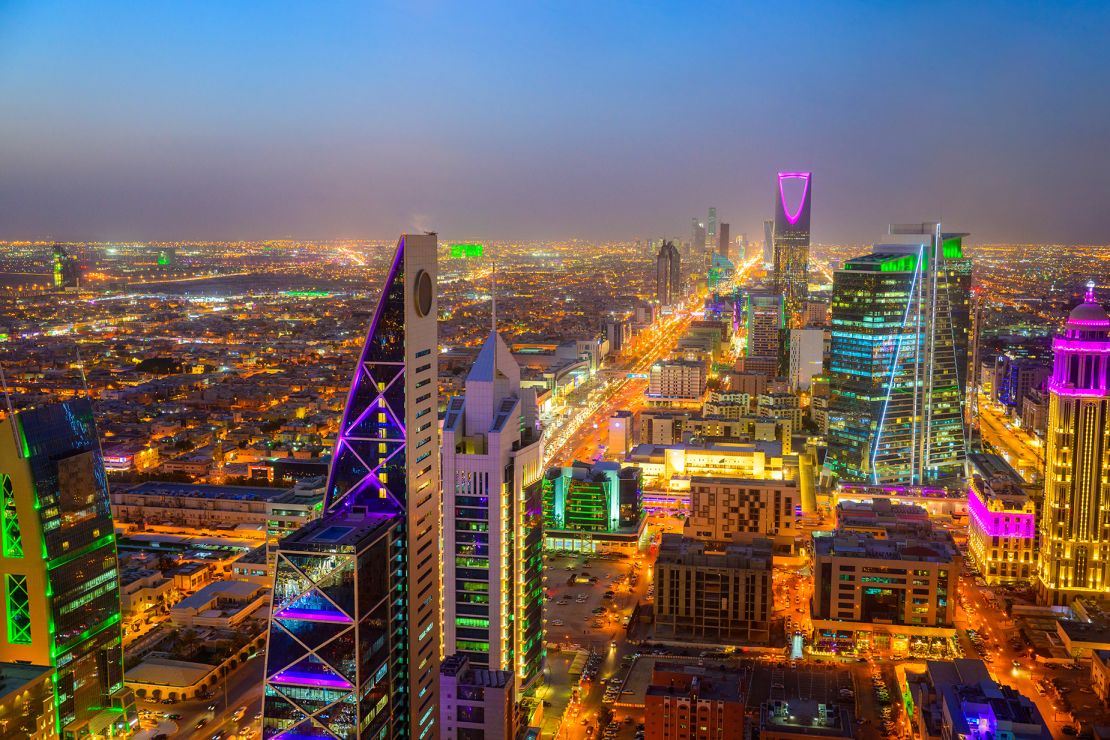
Saudi alcohol rules: Saudi Arabia has initiated one of its most notable policy shifts in recent years by allowing certain non-Muslim residents to purchase alcohol under a tightly controlled and point-based allowance system. The change, though limited in scope and quietly implemented, signals a broader transformation aligned with the kingdom’s economic diversification plan and social modernisation efforts.
Sources familiar with the matter confirmed that non-Muslim foreign residents earning at least 50,000 Saudi Riyals ($13,300) per month can now access the country’s only operational liquor store located in Riyadh. This development follows a gradual extension of access that was previously restricted solely to foreign diplomats and later to premium residency holders.
While there has been no official public announcement, the policy shift represents an important moment in Saudi Arabia’s ongoing reform journey, particularly as the kingdom positions itself as a competitive global business and investment hub.
The following in-depth report explores how the new framework works, who qualifies, why the changes matter, and what they reveal about the kingdom’s evolving identity.
1. Understanding the New Saudi Alcohol Rules
The updated access policy is built on a structured and restrictive model. It maintains the kingdom’s long-standing sensitivities around alcohol consumption while accommodating the needs of foreign professionals and investors.
Who Can Buy Alcohol Under the New Rules?
Only a specific group of individuals currently qualify:
- Non-Muslim foreign residents
- Individuals with monthly earnings of 50,000 SAR or more
- Residents who can provide a verified salary certificate
- Holders of premium residency, also known as “special residency”
- Individuals who meet the identity and eligibility checks at the Riyadh outlet
This system ensures that access is highly regulated, preventing misuse while offering limited flexibility to certain expatriates.
How the Point-Based System Works
Customers at the Riyadh store follow a monthly point-allocation method, meaning each alcohol purchase contributes to a points total. Once the monthly point limit is reached, the resident cannot buy additional products until the next cycle begins.
This structure aims to:
- Control consumption levels
- Maintain cultural boundaries
- Ensure monitoring and accountability
- Prevent the development of open alcohol markets
Although Saudi Arabia has not released official guidelines, reports suggest the points vary based on the type of beverage and quantity.
2. Why Saudi Arabia Is Loosening Its Alcohol Restrictions
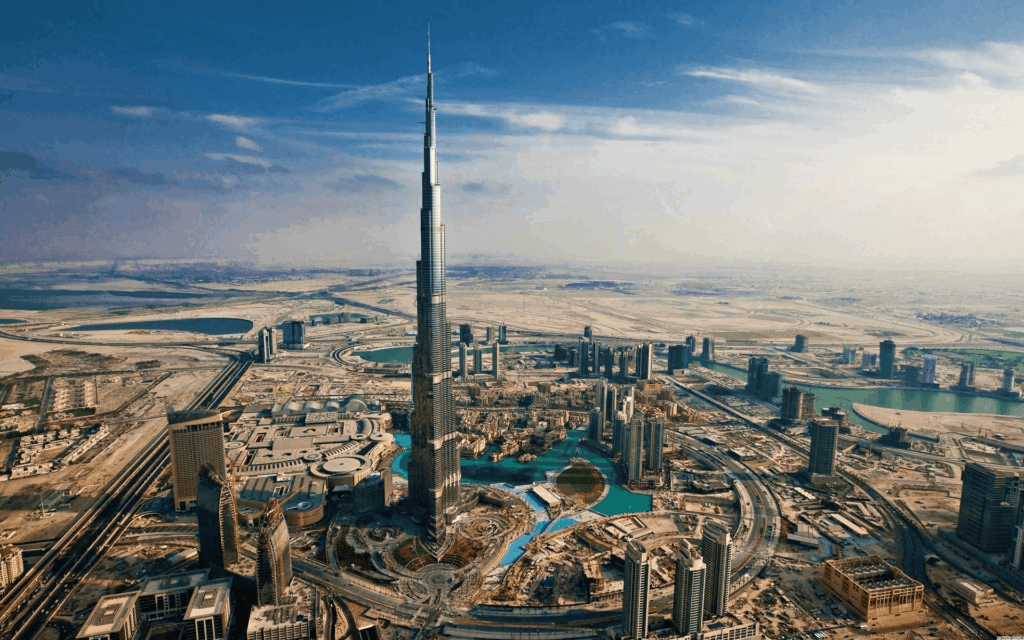
The easing of alcohol regulations aligns with a much broader transformation plan outlined in Vision 2030, Crown Prince Mohammed bin Salman’s initiative to diversify national income and reduce dependence on oil.
A Strategy to Attract Foreign Talent
Saudi Arabia has repeatedly emphasized its ambition to become a global economic center. To achieve this, the country needs:
- International businesses
- Highly skilled foreign workers
- Global investment groups
- Multinational headquarters
- Tourism and hospitality expansion
Relaxing some social restrictions—including alcohol access—helps create an environment that international workers find familiar, supportive, and sustainable.
Maintaining Cultural and Religious Balance
Saudi Arabia remains the birthplace of Islam and home to its holiest sites, Makkah and Madinah. This unique religious identity requires a cautious approach toward reforms.
Thus, the kingdom implements changes gradually and quietly, ensuring:
- Cultural values are preserved
- Religious sentiment is respected
- Social stability is maintained
- Reforms do not alienate conservative segments
The new alcohol rules reflect a carefully measured balance between global competitiveness and cultural preservation.
3. The Riyadh Liquor Store: How It Operates Under the New Rules
The Riyadh outlet is currently the only authorized liquor store in Saudi Arabia. Previously limited to diplomats, it now operates under expanded eligibility, though access remains tightly supervised.
Security and Identity Verification
The store requires:
- Passport checks
- Residency status confirmation
- Salary certificate presentation
- Religious status declaration (non-Muslim)
Digital systems and security teams ensure full compliance and prevent unauthorized entry.
Product Availability
Although specific product categories have not been officially disclosed, reports indicate the availability of:
- Wine
- Beer
- Spirits
- Limited imported beverages
All purchases are extensively logged and monitored.
Behavioral and Consumption Restrictions
Even with the eased rules, Saudi Arabia maintains strict laws:
- Public consumption of alcohol remains illegal
- Drinking and driving laws are strictly enforced
- Public intoxication is a punishable offense
- Alcohol distribution beyond the outlet is prohibited
The new policy does not legalize alcohol in public venues like restaurants, hotels, or tourist sites.
4. New Liquor Stores Planned: Expansion Across the Kingdom
Bloomberg has previously reported that two additional liquor stores are being developed in major Saudi cities. Once opened, they will expand access for eligible non-Muslims and further support the kingdom’s expatriate-focused reforms.
These locations are expected to follow the same model:
- Restricted entry
- Salary and non-Muslim verification
- Monthly point-based limits
- High security
- Zero public access
This approach ensures reform without compromising cultural conservatism.
5. Historical Context: Alcohol Laws in Saudi Arabia
Saudi Arabia has banned alcohol since 1952, after a tragic incident involving an intoxicated prince led to heavy public backlash. Since then:
- Alcohol was criminalized
- Penalties were enforced
- Import and sale were banned
- Diplomatic compounds remained exceptions
For decades, expatriates relied on:
- Black-market sources
- Diplomatic access
- Brewing homemade alcohol (illegal and dangerous)
The new rules substantially reduce reliance on those channels.
6. What the New Saudi Alcohol Rules Mean for Foreign Residents
A More Comfortable Living Experience for Expatriates
High-income expatriates, particularly corporate executives and foreign specialists, often consider lifestyle flexibility when deciding where to work or invest. The new rules:
- Improve quality of life
- Enhance cultural accommodation
- Reflect changing global expectations
Boosting Business and Tourism Confidence
The easing of alcohol rules complements other reforms:
- Women driving reform
- Gender-mixed events and concerts
- Global entertainment festivals
- Tourism visa introduction
- Mega-projects like NEOM, Qiddiya, The Line
These developments collectively signal that Saudi Arabia is ready to support global talent.
7. Impact on Saudi Arabia’s Economy and Vision 2030 Goals
Saudi alcohol rules understand that economic transformation requires more than infrastructure—it requires human capital, lifestyle compatibility, and global integration.
Attracting Companies to Relocate Headquarters
To compete with Dubai, Qatar, Singapore, and other business hubs, Saudi Arabia must:
- Modernize regulations
- Offer competitive tax and business environments
- Provide lifestyle conveniences
Permitting controlled Saudi alcohol rules alcohol access is one of many steps taken to meet these benchmarks.
Encouraging Skilled Migration
High-income foreign workers are essential for:
- Engineering
- Finance
- Technology
- Tourism
- Healthcare
- Construction
- Defense
- Energy diversification
The new policy supports long-term retention.
8. Why the Policy Is Controversial for Some Saudi Citizens
Although reforms are widely acknowledged as necessary, they remain sensitive due to:
- Religious teachings against alcohol
- Cultural norms
- Public morality considerations
- Fear of Westernization
Officials are therefore implementing the new rules discreetly.
A Slow and Controlled Societal Transition
Saudi Arabia prefers gradual reform, ensuring:
- Reduced public backlash
- Time for cultural adaptation
- Preservation of Islamic values
This approach has worked effectively in previous reforms, such as women driving and the introduction of cinemas.
9. How Neighboring Gulf Countries Compare
United Arab Emirates (UAE)
UAE allows alcohol purchases with permits and permits consumption in licensed bars and hotels.
Qatar
Qatar allows alcohol in hotels and for non-Muslim residents via a controlled distribution center.
Kuwait
Kuwait maintains a complete alcohol ban similar to Saudi Arabia.
Oman & Bahrain
Both allow alcohol sales in hotels and licensed shops.
Saudi Arabia is using a middle path—allowing access with strict limitations.
10. International Reaction to the New Saudi Alcohol Rules
Global investors, multinational companies, and foreign professionals have mostly responded positively.
Many see the policy as:
- Evidence of progressive economic reforms
- A pragmatic acknowledgment of expatriate needs
- A signal that Saudi Arabia is becoming more globally integrated
However, the policy remains under the radar internationally due to the kingdom’s cautious public communication strategy.
11. Future Expectations: Will Alcohol Be Allowed in Hotels?
Experts do not expect Saudi Arabia to fully legalize alcohol consumption in:
- Hotels
- Restaurants
- Public venues
However, controlled expansion might occur in:
- Special economic zones like NEOM
- Premium hospitality districts
- Diplomatic or restricted zones
Saudi Arabia’s careful approach means reforms will continue gradually.
12. The Bigger Picture: Saudi Arabia’s Reform Journey
From reversing the driving ban for women to hosting global concerts, Saudi Arabia has undergone dramatic changes. Alcohol access for non-Muslims is the latest milestone in a strategic reform timeline.
These reforms demonstrate:
- A shift toward global openness
- A desire for diversified economic growth
- A recognition of demographic realities
- A balanced approach to modernization
Saudi Arabia is redefining how it engages with the world—cautiously yet steadily.
Conclusion: A Landmark Step in Saudi Arabia’s Social and Economic Transformation
The new Saudi alcohol rules represent more than just changes in consumer access—they mark a significant step in the kingdom’s evolution. By permitting high-income non-Muslim residents to purchase alcohol under a strict allowance system, Saudi Arabia is signaling its commitment to becoming a global business and tourism center.
Saudi alcohol rules The policy maintains religious and cultural boundaries while meeting the practical needs of expatriates. As Saudi Arabia continues its Vision 2030 journey, such reforms will play a pivotal role in shaping its global image and long-term economic success.
