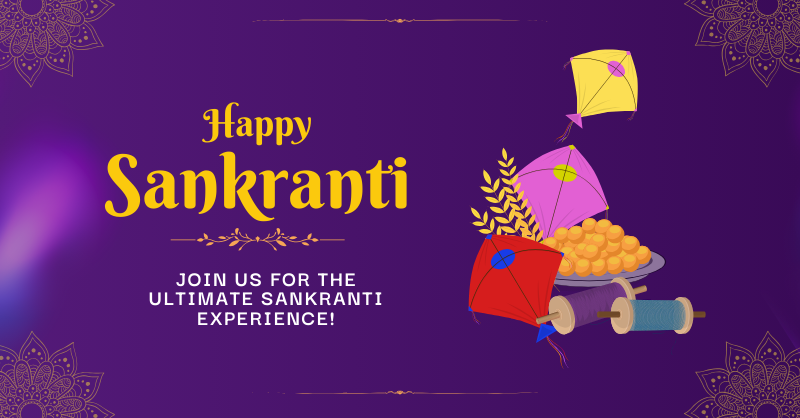
The Sankranti Festival is one of the most important and widely celebrated harvest festivals in India. Observed every year in mid-January, the transition of the Sun into the zodiac sign Capricorn (Makara), signaling the end of the winter solstice and the beginning of longer days. This astronomical shift is considered highly auspicious and is associated with prosperity, renewal, and gratitude toward nature.
Celebrated under different names across India, the people beyond language, culture, and region. While customs may vary, the central theme remains the same—thanksgiving for a good harvest and hope for abundance in the coming year.
History of the Sankranti Festival
The history of the Sankranti dates back thousands of years and is deeply rooted in ancient Indian astronomy and agriculture. Unlike many Indian festivals that follow the lunar calendar, the Sankranti is based on the solar calendar. This makes it one of the few festivals observed on nearly the same date every year.
Ancient Hindu scriptures such as the Vedas and Puranas mention the importance of solar transitions, known as Sankranti. Among the twelve Sankrantis in a year, Makara Sankranti holds special significance because it marks Uttarayana—the Sun’s northward journey. This phase is believed to be spiritually beneficial and is associated with positive energy and growth.
Historically, the Sankranti also emerged as a farmer-centric celebration. After months of hard work in the fields, farmers welcomed the harvest season with joy, rituals, and community feasts. Over centuries, the Sankranti Festival evolved into a cultural and spiritual event celebrated by millions.
Astronomical and Spiritual Significance
The Sankranti Festival is closely tied to astronomy. It occurs when the Sun moves from Sagittarius to Capricorn. This transition symbolizes a shift from darkness to light, ignorance to knowledge, and stagnation to progress.
Spiritually, the Sankranti is believed to be a time when divine energies are heightened. Many people take holy dips in rivers such as the Ganga, Godavari, and Krishna, believing that doing so cleanses sins and brings spiritual merit. Acts of charity, including donating food, clothes, and money, are considered especially rewarding during the Sankranti Festival.
The cultural significance of the Sankranti Festival
The Sankranti Festival holds immense cultural value because it reflects India’s agrarian roots. It emphasizes harmony between humans and nature, reminding people of their dependence on the Sun, soil, water, and crops.
Another key message of the Sankranti Festival is unity. Families reunite, communities come together, and social barriers fade during celebrations. The festival also promotes sharing and generosity, as people exchange sweets and gifts made from newly harvested crops like rice, sugarcane, sesame seeds, and jaggery.
Sankranti Festival Celebrations Across India
Although the essence of the Sankranti remains the same, the celebrations differ from region to region.
Sankranti Festival in Andhra Pradesh and Telangana
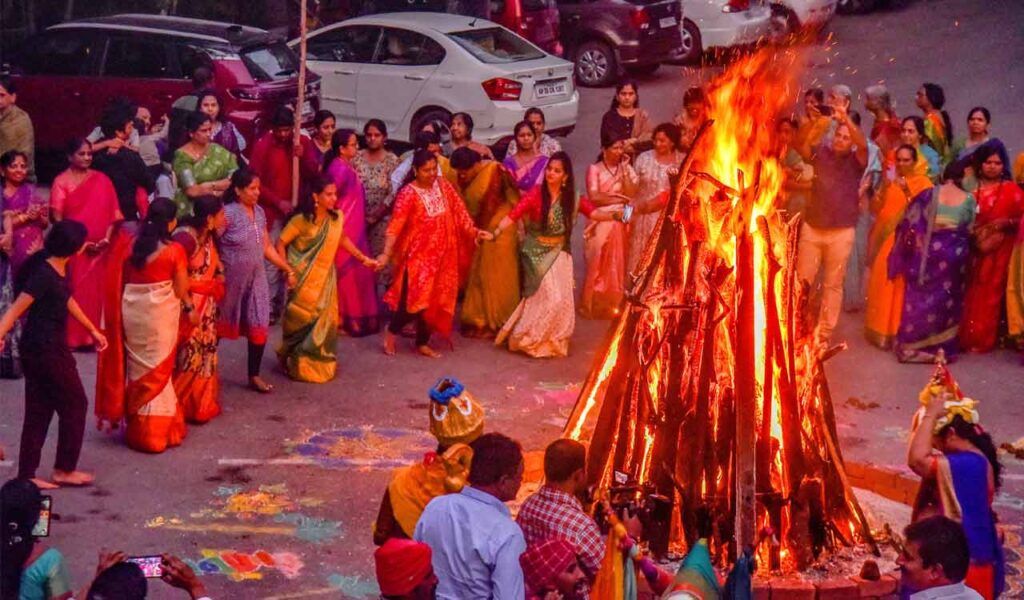
In Andhra Pradesh and Telangana, the Sankranti Festival is celebrated for four days—Bhogi, Sankranti, Kanuma, and Mukkanuma. Homes are cleaned and decorated with colorful rangoli designs called muggu. Bhogi bonfires symbolize the discarding of old habits and negativity.
Sankranti Festival in Tamil Nadu
In Tamil Nadu, the Sankranti is known as Pongal. It is a four-day celebration that includes Bhogi Pongal, Thai Pongal, Mattu Pongal, and Kaanum Pongal. Cooking the traditional dish Pongal using freshly harvested rice is a key ritual, expressing gratitude to the Sun God.
Sankranti Festival in Karnataka
Karnataka celebrates the Sankranti by exchanging ellu-bella, a mixture of sesame seeds, jaggery, peanuts, and coconut. This tradition symbolizes unity and sweetness in relationships.
Sankranti in Maharashtra
In Maharashtra, people greet each other with the phrase “Tilgul ghya, god god bola,” meaning “accept these sweets and speak sweet words.” Kite flying and sweet exchanges dominate Sankranti Festival celebrations.
Sankranti Festival in North India
In North India, especially in Punjab and Haryana, the Sankranti Festival coincides with Lohri. Bonfires, folk songs, and dances like Bhangra mark the occasion, celebrating agricultural prosperity.
Traditional Foods of the Sankranti Festival
Food plays a central role in the Sankranti. Most dishes are prepared using freshly harvested grains and seasonal ingredients.
Common Sankranti Festival foods include:
- Til (sesame) and jaggery sweets
- Pongal (rice and lentils dish)
- Sugarcane and fresh rice dishes
- Khichdi and laddus
These foods are not only delicious but also nutritionally suitable for the winter season, making the Festival both healthy and meaningful.
Kite Flying and Festive Activities
Kite flying is one of the most exciting aspects of the Sankranti especially in states like Gujarat, Telangana, and Maharashtra. The sky fills with colorful kites, symbolizing freedom, joy, and reaching for higher aspirations.
Other activities during the Festival include:
- Decorating homes with rangoli
- Worshipping cattle and farm tools
- Visiting relatives and friends
- Community fairs and cultural programs
These activities strengthen social bonds and preserve traditional art forms.
Social and Environmental Importance
The Sankranti also carries an important social message. It encourages people to live sustainably and respect nature. By honoring crops, cattle, and the Sun, the festival highlights ecological balance and responsible living.
In modern times, eco-friendly celebrations are gaining popularity. Using natural colors for rangoli, avoiding plastic decorations, and flying safe kites are ways people are making the Festival more environmentally conscious.
Modern Relevance of the Sankranti Festival
Despite rapid urbanization, the Sankranti Festival continues to hold relevance in modern society. For many, it is a reminder of cultural roots and traditional values. Even in cities, people celebrate the Sankranti with enthusiasm by organizing cultural events, charity drives, and family gatherings.
The festival also has global significance, as Indian communities around the world celebrate the Sankranti spreading awareness of Indian culture and heritage.
Conclusion
The Sankranti Festival is much more than a harvest celebration. It is a powerful symbol of renewal, gratitude, unity, and hope. Rooted in ancient traditions yet adaptable to modern lifestyles, the Sankranti continues to inspire people to appreciate nature’s gifts and strengthen human connections.
By celebrating the Sankranti Festival, we honor the Sun, the soil, and the spirit of togetherness that defines Indian culture. Whether through rituals, food, or joyful gatherings, the Sankranti remains a timeless celebration of life, prosperity, and positivity.
