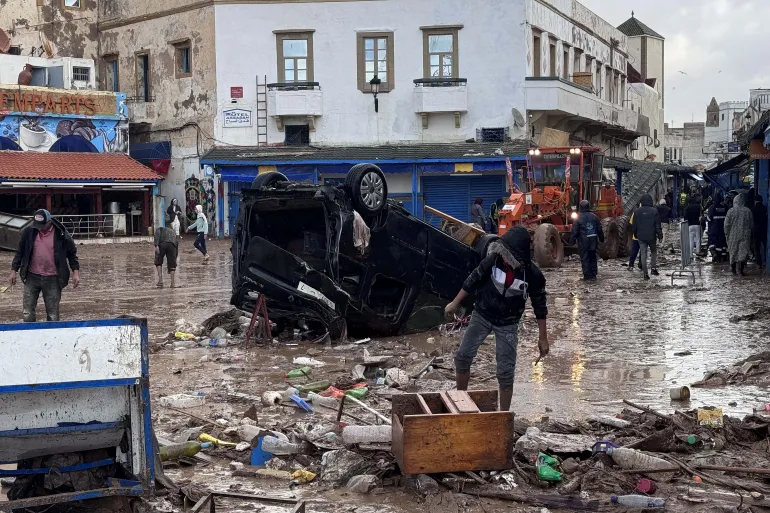
The Safi flash floods have revealed the scale of damage caused by sudden torrential rains in the coastal city of Safi, Morocco. The disaster claimed at least 37 lives and left residents grappling with destruction, grief, and uncertainty. Civil Protection teams, local authorities, and volunteers are still working around the clock to clear debris, restore mobility, and locate missing people.
The flash floods struck the city after intense rain overwhelmed the region, sweeping cars, street bins, pottery goods, and debris through neighbourhoods and marketplaces. As the water receded, the true extent of the devastation became visible across Safi. Streets were blanketed in mud, shops were damaged, and several areas remained inaccessible due to fallen objects and unstable ground.
Morocco experiences erratic weather patterns, yet the Safi flash floods marked the deadliest flooding incident the country has seen in over a decade. The scale of the tragedy has prompted nationwide discussions about climate impact, infrastructure gaps, and disaster preparedness.
The Impact of the Safi Flash Floods on the City and Its Residents
The most immediate effect of the Safi flash floods was the severe loss of life. Local officials confirmed that at least 37 people died as a result of the sudden downpour. Many victims were merchants and workers operating in the historic Bab Chabaa district, a marketplace crossed by a small river that swelled rapidly during the storm.
Survivors were transported to Mohammed V Hospital in Safi. According to authorities, two individuals remain in intensive care. Several others continue to receive treatment for injuries sustained during the flood. Doctors, nurses, and emergency teams have been working continuously to manage the crisis.
Schools were closed immediately due to heavy mud, damaged walls, and blocked entrances. For many families, the interruption in education adds additional stress at a time when basic necessities such as transport, electricity, and water access have become difficult to maintain.
In neighbourhoods known for their pottery craftsmanship, the scene was particularly heartbreaking. Safi is a renowned centre for terracotta goods, and the floodwaters shattered thousands of bowls, tajines, and pottery items that had been displayed for sale. Many artisans depend on daily sales to support their families. The loss of stock will affect their income for weeks, if not months.
How the Happened: Understanding the Sudden Torrential Rains
The Safi flash floods followed an intense burst of rainfall that dropped 37 millimetres of water in a very short span of time. According to Morocco’s General Directorate of Meteorology (DGM), the region was already experiencing unstable atmospheric conditions. The storm cell that passed over Safi carried high moisture content and unleashed heavy rain within minutes.
Prime Minister Aziz Akhannouch addressed the parliament and explained that the Bab Chabaa district became the epicentre of the disaster. The river that flows through the area overflowed rapidly, flooding streets, markets, and narrow lanes. As a historic district, its drainage systems are older and narrower than those in more modern parts of the city. This contributed to the speed and spread of the floodwaters.
Eyewitnesses reported hearing a loud rush of water before they saw streets fill with muddy currents. Cars were lifted and carried downstream. Market stalls were overturned. Shopkeepers scrambled to secure goods but were unable to outrun the rising water levels.
The entire event unfolded so quickly that many residents had no time to seek safety.
Search and Rescue Operations
Civil Protection teams arrived within minutes of the first alert. Their immediate mission was to reach trapped individuals and prevent additional loss of life. Due to the nature of the flooding, several streets were blocked with debris, including broken pottery, uprooted trees, and overturned vehicles. This made access difficult for rescue vehicles.
Teams used ropes, inflatable boats, and heavy equipment to navigate the most affected zones. Volunteers also joined efforts, forming human chains to help residents reach safe ground.
Search operations continued into the following days. Some areas remained hazardous due to unstable ground and partially collapsed structures. Authorities urged civilians to avoid risky zones and allow emergency teams to operate without interruption.
As of the latest update, search and rescue operations remain active as teams assess destroyed shops, damaged homes, and areas where water has receded but mud remains deep.
Government Statements on the Safi Flash Floods
The Moroccan government has provided public updates to ensure transparency during the crisis. Prime Minister Aziz Akhannouch detailed the severity of the rainfall and its immediate effect on the historic district. He expressed condolences to the victims’ families and emphasized that all necessary measures are being taken to support the community.
The prosecutor’s office opened an investigation to determine whether negligence or structural issues contributed to the high death toll. Officials are studying whether the drainage systems were adequate, whether safety protocols were followed, and whether human factors played a role in how the disaster unfolded.
While speaking in parliament, the prime minister noted that 37 millimetres of rain fell in a short time. This created conditions too severe for the river channels in Bab Chabaa to handle. Many victims were merchants, as the district is an active commercial zone.
Government agencies have been asked to speed up clearing operations and restore basic services as quickly as possible.
Meteorological Warnings and the Risk of More Flash Floods
The General Directorate of Meteorology issued a warning following the Safi flash floods, stating that thunderstorms and heavy rain are expected in several regions over the next three days. These warnings include Safi and nearby provinces.
Meteorologists explained that unstable atmospheric conditions can create sudden bursts of rainfall, especially when drought persists. Dry soil absorbs water poorly, causing runoff to increase and flood levels to rise rapidly. This creates an ideal setting for flash floods.
Citizens have been advised to stay aware of weather updates and avoid areas close to rivers, seasonal streams, and low-lying neighbourhoods. The DGM will continue to monitor the system and provide alerts.
Infrastructure Challenges Revealed by the Safi Flash Floods
The Safi flash floods highlighted the vulnerability of older urban districts where drainage systems were not built to handle modern climate extremes. Bab Chabaa, one of the oldest districts in the city, has narrow waterways and older construction patterns that may not support sudden water surges.
Mud, debris, and pottery fragments clogged several drainage outlets, worsening the situation. Civil engineers who visited the site noted that the city’s drainage infrastructure needs assessment and potential upgrades.
Residents reported that water moved through the streets faster than expected. This raised questions about whether deeper cleaning or reinforcement of drains could reduce future damage.
The investigation launched by the prosecutor’s office will determine whether preventive measures were adequate.
Economic Effects of the Safi Flash Floods on Local Communities
The flooding affected several sectors of the Safi economy. Pottery artisans, small traders, fishermen, and transport workers reported heavy losses. The pottery districts suffered the most visible destruction. Broken bowls, jugs, tiles, and tajines covered the streets after the water receded.
Many pottery workshops operate with low margins. Losing finished stock can harm artisans who rely on daily sales to provide for their families. Rebuilding stock will take time and resources.
Street vendors also lost goods. Floodwaters carried vegetables, household items, clothing, and food products across neighbourhoods. Many cannot recover the cost of these losses without external support.
Transport routes inside the city were blocked for hours, halting movement and delaying deliveries. Several taxi drivers and bus operators reported damage to vehicles exposed to the floodwaters.
Economic rehabilitation will require coordinated support from regional authorities and NGOs.
Hospital Response After the Safi Flash Floods
Hospitals and clinics received dozens of injured residents in the immediate aftermath. Mohammed V Hospital, the main medical centre in Safi, treated most of the survivors. Medical teams worked long hours to stabilize patients.
Two people remain in intensive care, according to hospital officials. Others suffered injuries such as fractures, cuts, and shock. Many patients are expected to recover but will need follow-up care.
Ambulances continued to transport individuals who were trapped or unable to reach the hospital earlier. Access routes were cleared as fast as possible to ensure medical teams could move freely.
Local authorities acknowledged the dedication of healthcare workers who responded despite difficult conditions.
Schools Closed After the Safi Flash Floods
Education in Safi came to a sudden halt as schools closed due to safety concerns. Mud blocked pathways, walls required inspection, and classrooms filled with debris. Administrators must wait for clearance from safety engineers before reopening.
Parents expressed worry about prolonged disruption, yet authorities explained that safety remains the priority. Students will return only when buildings are secure, electricity systems are restored, and sanitation is ensured.
Temporary learning arrangements may be considered if recovery takes longer than expected.
Safi’s Cultural Identity Hit Hard by the Flash Floods
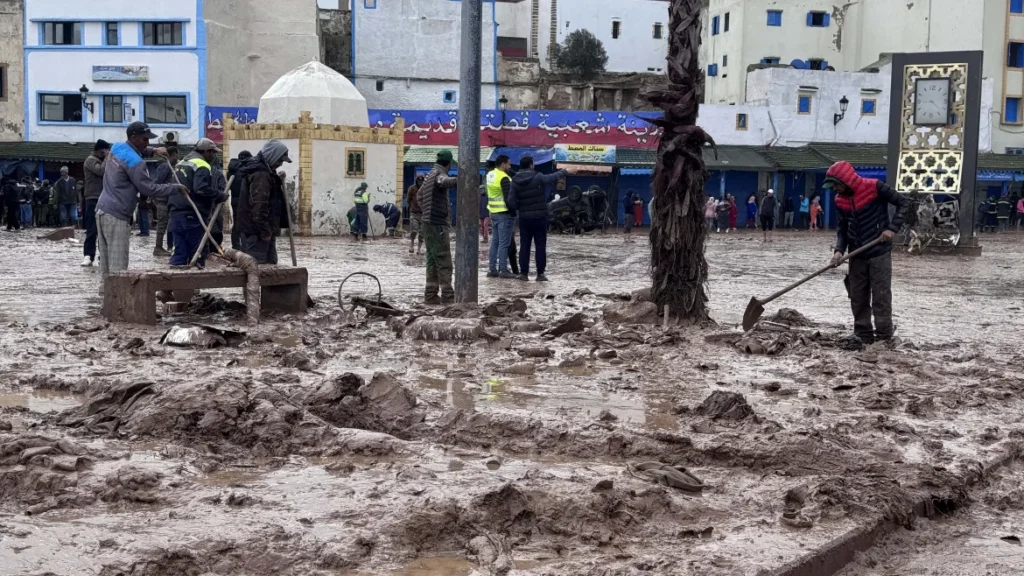
Safi is recognized for its pottery craftsmanship. The city’s terracotta art is known across Morocco and plays a vital role in its cultural identity. Many artisans come from generations of potters. Their workshops and market stalls reflect centuries of tradition.
The Safi flash floods damaged this cultural centre. Broken pottery across the streets symbolized the extent of destruction. Artisans expressed sadness not only for the loss of goods but for the disruption of traditions tied to their craft.
Restoring the pottery sector will require support programs, grants, and community-driven recovery efforts.
Climate Change and the Safi Flash Floods
Scientists have warned that climate change increases the frequency and intensity of extreme weather. Warmer air holds more moisture. Warmer seas can energize storm systems. As a result, rainfall can occur in more concentrated bursts, causing flash flooding.
Morocco is in its seventh year of severe drought. Dry ground cannot absorb rain effectively. When torrential rain falls, water runs off the surface quickly and floods streets.
Climate experts note that the Safi flash floods reflect broader patterns seen across North Africa. Similar events have struck Libya, Tunisia, and Algeria in recent years.
Although no single weather event can be attributed entirely to climate change, trends indicate that such disasters are becoming more likely.
Drought Conditions May Have Worsened the Safi Flash Floods
Morocco recorded its hottest year on record last year. Rising temperatures and failing rainfall have strained agriculture, water supply, and urban infrastructure.
Severe drought dries the soil and reduces its ability to absorb sudden rain. When water cannot enter the ground, it accumulates and turns small streams into violent currents.
Experts say that extended drought followed by intense rainfall is a dangerous combination. It increases the risk of rapid flooding similar to what occurred in Safi.
Government and Civil Protection Recovery Plans
The government is assessing damage and preparing support measures for affected families. Civil Protection units continue to clear debris and assist in restoring daily life. Priority areas include:
- Restoring safe access to homes
- Clearing mud from streets
- Repairing electricity and water supplies
- Supporting displaced families
- Assessing damaged buildings
- Stabilizing high-risk structures
Long-term plans may involve upgrading drainage systems, reinforcing river channels, and improving storm-response readiness.
Regional authorities have also requested weather updates to prepare for potential new storms in the coming days.
Community Response to the Safi Flash Floods
Local residents came together quickly to support one another. Many offered shelter, food, and transport to victims. Volunteers helped remove debris, assist the injured, and comfort families.
Community solidarity gave strength to individuals dealing with grief and uncertainty. Support groups and NGOs are expected to join recovery efforts as assessments continue.
A City Rebuilding After the Safi Flash Floods
Rebuilding Safi will require time, support, and investment. The floods exposed vulnerabilities yet also highlighted the resilience of its people. Restoring damaged markets, pottery districts, and historic lanes will be a priority.
As streets clear and services resume, residents hope for stronger infrastructure and better preparation for future storms. The tragedy has sparked discussions about sustainable planning, climate adaptation, and improved public safety.
Safi Flash Floods Leave a Lasting Impact on Morocco
The Safi flash floods represent one of Morocco’s deadliest weather disasters in a decade. The loss of 37 lives, damage to cultural districts, and widespread disruption have shaken the nation. Rescue teams continue their work as the city begins the long process of recovery.
Authorities aim to restore safety and ensure that affected families receive the support they need. As Morocco faces ongoing drought and changing weather patterns, the Safi tragedy serves as a reminder of the urgent need for better climate readiness and stronger urban infrastructure.
