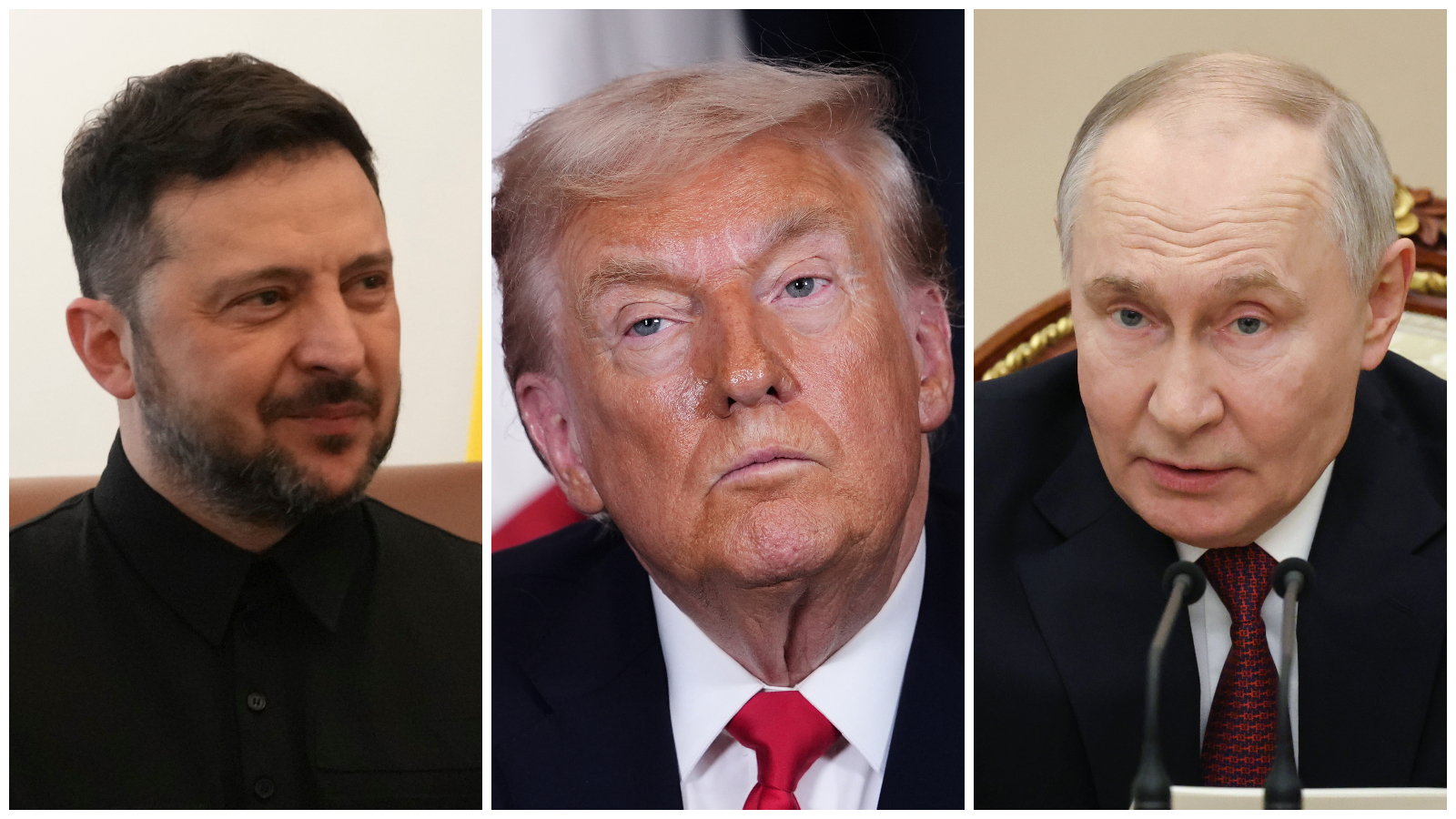
For the first time since the full-scale invasion began nearly four years ago, Russia, Ukraine, and the United States have agreed to sit at the same table for high-level discussions. These Russia Ukraine talks, scheduled in Abu Dhabi, mark a rare diplomatic turning point after years of escalating conflict, failed ceasefires, and stalled negotiations.
Officials from all three countries confirmed their participation. The Kremlin formally acknowledged its presence after a meeting between Russian President Vladimir Putin and senior US envoys in Moscow. Ukrainian President Volodymyr Zelensky also welcomed the development, calling the gathering “a step – hopefully towards ending the war.”
Although cautious optimism is emerging, major territorial disagreements remain unresolved. Still, the decision by all sides to participate signals a shift that many global observers view as the most serious attempt at negotiation in years.
Russia Ukraine Talks Begin in Abu Dhabi: A Long-Awaited Diplomatic Step
The Russia Ukraine talks in Abu Dhabi have attracted international attention because they bring together all three major players shaping the future of the conflict. The UAE has positioned itself as a neutral venue capable of hosting sensitive dialogues and closed-door negotiations.
Three key representatives from the United States—Steve Witkoff, Jared Kushner, and another senior envoy—attended earlier discussions in Moscow. Reports indicate that these meetings were described by the Kremlin as “useful in every respect.” Despite this, Russian officials repeated their position that no long-term peace agreement can be signed before territorial questions are resolved.
Kremlin aide Yuri Ushakov said the conversations were “substantive, constructive and very frank.” Yet he warned that until the territorial dispute is settled, Russia would continue pursuing the objectives of its ongoing military operations. Still, Ushakov claimed Russia remains “sincerely interested” in a diplomatic solution under the correct terms.
Zelensky Calls Talks a Hopeful Step, but Warns of Difficult Choices
Ukrainian President Volodymyr Zelensky described the Abu Dhabi negotiations as a “step toward ending the war.” However, he acknowledged that progress will depend on Russia’s willingness to consider meaningful compromises. Zelensky stressed that the central challenge is territorial sovereignty, especially regarding Donbas.
“It’s all about the land,” he told reporters in Davos. “This issue is not solved yet. The Russians have to be ready for compromises, not only Ukraine.”
His comments highlight the political and emotional weight of the territorial debate. With millions displaced and entire cities destroyed, decisions involving borders, governance, and regional status remain deeply sensitive.
Zelensky also emphasized that Ukraine, the US, and Russia have not aligned on how to handle the Donbas region, which Russia partly occupies. Still, he confirmed that discussions will include demilitarization, economic development, and long-term governance structures.
The Territorial Dispute: The Core Obstacle in Russia Ukraine Talks
Territory remains the biggest challenge in the Russia Ukraine talks. Russia is demanding that Ukraine surrender the remaining 25% of the Donetsk region it still controls. Ukraine has rejected this demand, arguing that any concession would undermine its sovereignty and break international law.
Russian officials refer frequently to a “formula agreed in Anchorage,” referencing a summit last year between Trump and Putin in Alaska. This formula is believed to involve a set of territorial guidelines and potential demilitarized zones.
Ukraine has proposed a different idea. Zelensky offered to withdraw Ukrainian troops up to 40 kilometers from parts of Donbas if Russia does the same. His plan includes:
-
a demilitarized zone,
-
a large-scale economic development area, and
-
strong international security guarantees, especially from the United States.
The US proposal closely aligns with Ukraine’s vision. Washington suggests turning Donbas into a demilitarized, internationally supervised free-economic zone, paired with binding security guarantees for Kyiv.
Despite these outlines, each side’s expectations still differ significantly.
The US Role: Security Guarantees and Diplomatic Pressure
The United States has emerged as a critical mediator in the Abu Dhabi round of Russia Ukraine talks. US officials have crafted a 20-point plan that Zelensky says is now 90% complete. This proposal reportedly includes:
-
a framework for de-escalation,
-
plans for troop withdrawals,
-
security guarantees for Ukraine,
-
a neutral economic development structure in Donbas,
-
and a roadmap for political settlement mechanisms.
Zelensky confirmed he and former President Donald Trump reached an understanding about future US security guarantees for Ukraine. Any final agreement, however, must be approved by both the US Congress and the Ukrainian parliament.
Meanwhile, the US continues to emphasize the need for conditions that ensure territorial stability, prevent future escalation, and address Ukraine’s economic security.
Recent Drone Strikes Highlight Ongoing Instability
Even as diplomacy unfolds, the situation on the ground remains volatile. Both Russia and Ukraine reported overnight drone attacks, a reminder that the conflict continues at full intensity.
Russia’s Report:
-
Penza Oblast governor Oleg Melnichenko said a Ukrainian drone caused a fire at an oil depot in the Penza region.
Ukraine’s Report:
-
Ukrainian military officials said Russian drones struck 12 locations overnight.
-
These attacks left many Ukrainian civilians facing freezing temperatures without heating or power, as energy infrastructure continues to be targeted.
These events illustrate how fragile the situation remains. Diplomats may be negotiating, but battlefield tensions still shape decisions and timelines.
Delegations Heading to Abu Dhabi for the Russia Ukraine Talks
The list of key figures attending the negotiations shows how serious the Abu Dhabi discussions are.
Ukraine’s Delegation Includes:
-
Rustem Umerov – Head of Ukraine’s National Security & Defense Council
-
Kyrylo Budanov – Senior presidential advisor
-
David Arakhamia – Chief negotiator
-
Andrii Hnatov – Chief of the General Staff
Russia’s Delegation Includes:
-
General Igor Kostyukov – Director of GRU military intelligence
-
Kirill Dmitriev – Investment envoy (meeting separately for economic discussions)
US Delegation Includes:
-
Steve Witkoff – Business leader and political advisor
-
Jared Kushner – Senior political figure
-
Additional US envoy (name withheld)
The presence of intelligence chiefs and high-ranking security officials on both sides suggests that discussions will involve military operations, territorial control, and long-term stabilization commitments.
Related News: Zelensky Trump Meeting: A Crucial Step Toward Ending the Russia-Ukraine War
Why the Abu Dhabi Talks Matter for Global Politics
The conflict has reshaped global economics, trade flows, military alliances, and energy markets. Successful Russia Ukraine talks could:
-
reduce global security risks,
-
stabilize grain and energy exports,
-
lower geopolitical tensions,
-
and open the door to future diplomatic cooperation.
Countries across Europe, the Middle East, and Asia have expressed hopes that Abu Dhabi may mark the start of a shift toward lasting peace, even if the process is slow.
Can the Abu Dhabi Negotiations Lead to Peace?
Despite progress, several major challenges remain:
1. Territorial Demands
Both sides insist on conflicting claims over Donbas and surrounding regions.
2. Security Guarantees
Ukraine needs long-term protection; Russia insists these agreements must not threaten its own security concerns.
3. Political Pressures
Domestic pressure in both countries may limit concessions.
4. Trust Deficit
Years of war, destroyed infrastructure, and mutual accusations hinder cooperation.
Still, the talks are a rare sign that diplomacy is once again being considered seriously. Even small breakthroughs could build momentum for future agreements.
Possible Outcomes of the Russia Ukraine Talks
While no final proposal has been released, some potential outcomes include:
✔️ Establishing a demilitarized zone in Donbas
✔️ Creating a joint economic development program
✔️ Implementing phased troop withdrawal
✔️ Developing US-backed security guarantees for Ukraine
✔️ Creating a temporary governance model for disputed regions
✔️ Setting up a long-term peace roadmap
Much will depend on how both sides handle the territorial debate, the most sensitive and decisive part of the negotiations.
Conclusion: A Small Step That May Lead to Something Bigger
The Russia Ukraine talks in Abu Dhabi represent the most significant diplomatic engagement involving all three powers since the beginning of the war. While the path to peace remains complex, the willingness of Russia, Ukraine, and the United States to negotiate face-to-face is a positive sign.
Zelensky described the talks as “a step – hopefully toward ending the war.”
Whether this step leads to meaningful progress depends on compromise, political will, and the ability of all sides to navigate the sensitive issue of territory.
For now, the world watches as Abu Dhabi becomes the center of a new chapter in one of the most consequential conflicts of the century.
