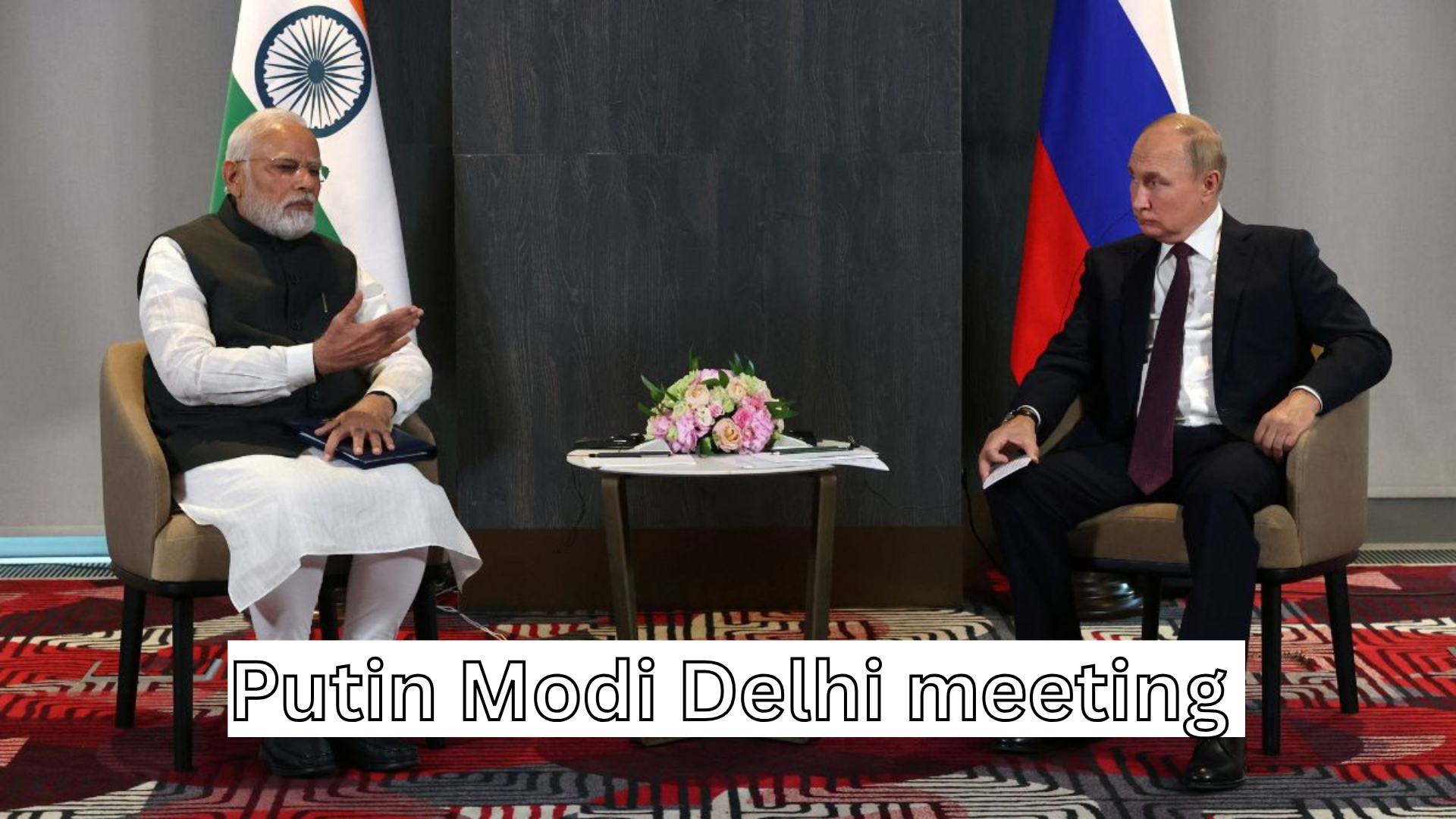
Putin Modi Delhi meeting: Russian President Vladimir Putin wrapped up his day-long visit to India with a grand banquet at the Rashtrapati Bhavan—the same place where his official engagements began with a ceremonial guard of honour. The warm welcome, which included the iconic “Modi hug” at the airport, sent a powerful message to the world: despite Western efforts to isolate Moscow after the Ukraine conflict, India continues to value its long-standing strategic partnership with Russia.
While the visit was high on optics, symbolism, and diplomatic warmth, it left many wondering: What exactly did New Delhi and Moscow gain from this meeting?
Here’s a detailed yet easy-to-understand breakdown.
A Grand Welcome That Spoke Louder Than Words
Russian media enthusiastically highlighted the lavish reception, describing the setting as a “marble throne room” and showcasing India’s ceremonial hospitality. For Moscow, this red carpet moment had geopolitical significance—it countered the Western portrayal of Putin as a global outcast.
For India, the warm welcome signalled continuity and stability in a relationship that has endured global power shifts for decades.
Trade Takes Centre Stage: A Strategic Priority for Both Nations
Even though the visit did not produce dramatic defence announcements, it achieved something more important: a renewed push to strengthen economic cooperation.
Key Economic Agreements Announced
- A Russia–India economic cooperation programme
- Collaboration on critical minerals and supply chain resilience
- Plans to construct a Russian–Indian pharmaceutical unit in the Kaluga region
- Progress on India’s proposed Free Trade Agreement (FTA) with the Eurasian Economic Union (EAEU)
Both nations acknowledged that trade, despite recent growth, has fallen short of its true potential. The current bilateral trade value stands at $68.72 billion, up significantly from $8.1 billion in 2020, largely fuelled by India’s purchase of discounted Russian oil.
With Western sanctions squeezing Russia and the U.S. imposing 50% tariffs on Indian goods, both nations are actively seeking new, dependable markets. The Delhi meeting strongly reflected this mutual intent.
Oil Purchases: A Quiet but Critical Conversation Putin Modi Delhi meeting
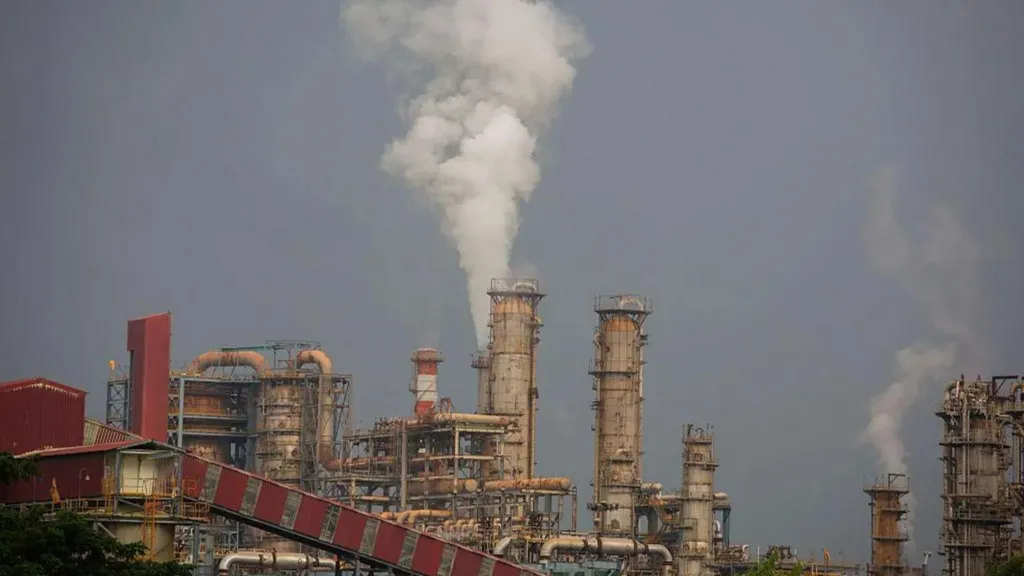
India has become one of the biggest buyers of Russian crude oil since 2022, providing a major financial lifeline to Moscow. This has annoyed Washington, especially under the Trump administration, which continues to pressure New Delhi to reduce or halt Russian oil imports.
Putin stated that Russia is ready to continue “uninterrupted oil supplies” to India. While no specifics were announced, the message was clear:
Russia wants India to maintain its oil purchases despite U.S. pressure.
Now, Modi faces a delicate balancing act—continuing energy cooperation with Russia while pursuing a trade deal with the U.S.
Defence Deals: Missing on Paper, Active Behind the Scenes
Although defence cooperation remains the backbone of Indo-Russian relations, no major defence deal was announced during the visit. This was likely intentional, considering India’s need to balance its ties with Russia and the United States.
However, this does not mean defence negotiations have stalled.
Defence points worth noting:Putin Modi Delhi meeting
- India still depends heavily on Russian equipment for its armed forces.
- Discussions regarding Su-57 fifth-generation fighter jets may still be ongoing.
- India reportedly pushed Russia for timely delivery of pending S-400 air defence units, which have been delayed due to the Ukraine war.
Moscow remains India’s most significant defence partner, regardless of the lack of public announcements.
New Areas of Cooperation: Diversifying Beyond Oil and Arms
Several agreements were signed across sectors to reduce overdependence on traditional trade areas.
New Focus Areas Include
- Shipbuilding and maritime cooperation
- Training Indian seafarers for Arctic and polar operations
- Investment in new shipping lanes
- Civil nuclear energy
- Visa-free travel negotiations
- Enhanced cooperation in critical mineral development
These sectors indicate that India and Russia aim to broaden their partnership beyond defence, energy, and hydrocarbons.
Putin-Modi Delhi Meeting: The Importance of the “Informal Dinner” Meeting
The most significant discussions reportedly took place during Modi and Putin’s private dinner. According to Kremlin officials, this meeting covered:
- Sensitive geopolitical issues
- Defence priorities
- India’s global positioning
- Bilateral challenges and long-term strategies
Such off-record interactions often shape future policies more than formal statements.
Putin Modi Delhi Meeting: Why the Visit Matters
This visit highlighted India’s multi-aligned approach:
- Maintain old partnerships
- Leverage new opportunities
- Balance global power blocs
For Russia, India remains a vital economic and diplomatic ally. For India, Russia continues to be a dependable strategic partner offering energy security, defence cooperation, and new trade avenues.
While the visit lacked blockbuster announcements, it strengthened the foundations of the relationship and laid the groundwork for deeper economic and strategic ties.
