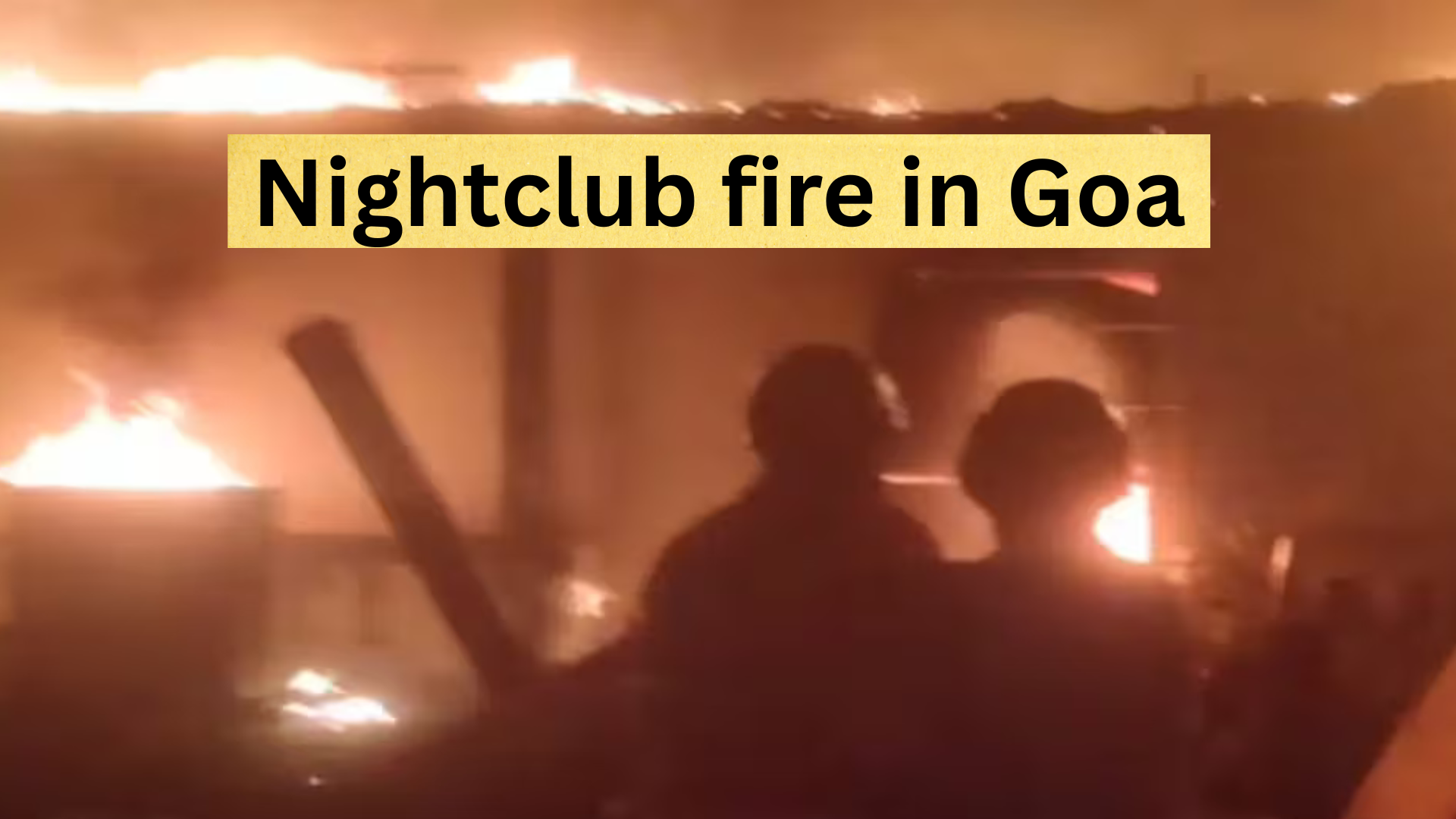
Nightclub Fire in Goa Timeline: How the Incident Unfolded
Nightclub fire in Goa: What was supposed to be a vibrant Saturday night in Goa quickly turned into one of the deadliest nightclub tragedies in recent years. A massive fire at the popular Birch nightclub—in India’s coastal state known for beaches, nightlife, and tourism—claimed the lives of 25 people, including tourists, staff members, and a four-member family from Delhi.
According to initial reports, the fire started after a suspected gas cylinder explosion in the kitchen area. Within minutes, thick smoke filled the building, trapping many people inside. Most victims did not die from burns; instead, they succumbed to suffocation caused by dense toxic smoke.
Nightclub fire in Goa The accident has once again raised urgent questions about India’s fire safety standards, licensing procedures, emergency preparedness, and the alarming rise of unsafe entertainment venues.
Nightclub fire in Goa:
- What happened inside the nightclub
- How the fire spread so quickly
- Eyewitness accounts from survivors
- What officials have said so far
- Safety lapses that contributed to the high death toll
- India’s history of fire tragedies
- How Goa’s booming nightlife industry may be outgrowing regulation
- What experts say India must do to prevent future disasters
2. What Happened at Birch Nightclub fire in Goa ? A Timeline of the Goa Fire
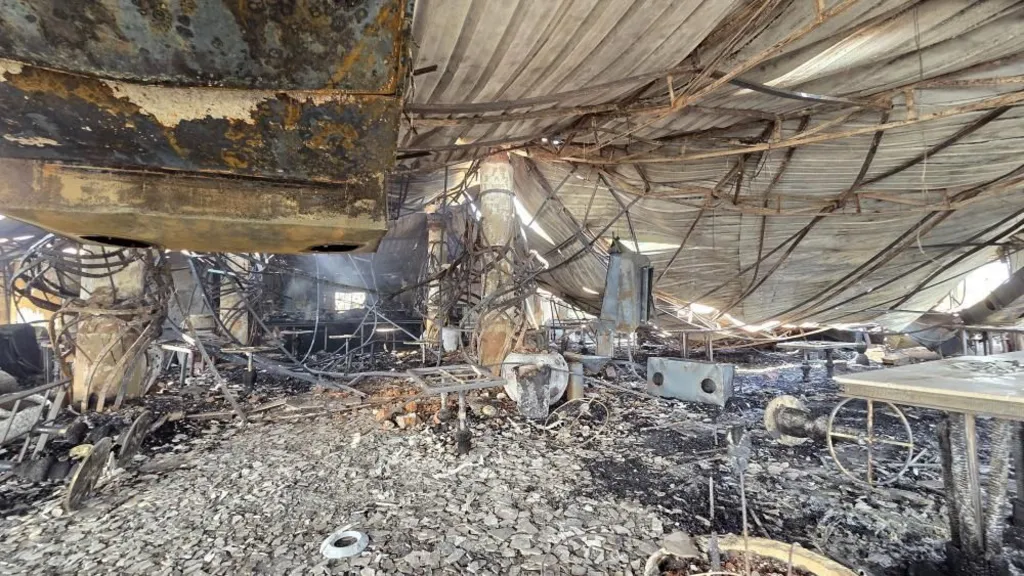
While the investigation is still ongoing, eyewitness statements and early police reports allow us to form a clear timeline.
🕙 10:00 PM – The Club Is Packed With Tourists and Locals
It was a typical Saturday in Goa’s bustling coastal belt. The Birch nightclub was hosting a Bollywood DJ night, attracting holidaymakers, foreign tourists, and local workers from the hospitality industry.
Music was loud, lights were bright, and the venue was at max capacity.
🕙 10:15 PM – An Explosion Near the Kitchen
According to police, a gas cylinder in the kitchen is suspected to have exploded, triggering the fire. The explosion caused flames to shoot outwards and smoke to fill the lower level of the building quickly.
🕙 10:17 PM – Panic Begins as Smoke Fills the Air
Eyewitnesses reported loud screams, confusion, and people rushing toward exits. Many did not immediately realize the severity of the situation. Some thought it was part of the show until the flames and smoke became visible.
Within moments:
- Visibility dropped
- Breathing became difficult
- People inside started collapsing
🕙 10:20 PM – The Path for Firefighters Is Blocked
A critical structural issue escalated the tragedy:
The entrance to the club was wide, but the access path leading to the main building crossed a narrow lake bridge, making it extremely difficult for fire trucks and rescue vehicles to reach the location quickly.
This delay likely cost many lives.
🕙 10:25 PM – The Fire Intensifies
Plastic furniture, alcohol vapors, wooden decor, and synthetic materials gave additional fuel to the fire. The ceiling and flooring materials reportedly had poor fire resistance.
Emergency exits were either:
- Hard to locate,
- Blocked, or
- Not adequate for the crowd size.
🕙 10:40 PM – Firefighters Gain Access
By the time emergency teams entered the main structure, thick smoke engulfed most of the club. Many victims were found near corners or collapsed along walls, suggesting they were disoriented or suffocated before they could escape.
🕙 11:30 PM – Search and Recovery Operations Begin
Firefighters and rescuers retrieved the first bodies. Some were severely burnt, but the majority showed signs of smoke inhalation, indicating a catastrophic failure in ventilation and emergency evacuation procedures.
3. Eyewitness Accounts: “The Scenes Were Terrifying”
Multiple eyewitnesses shared chilling descriptions.
A Tourist Outside the Club: Nightclub fire in Goa
“I heard people screaming, but I didn’t understand what was happening. Seconds later, I saw smoke blowing out of the entrance. People were running in panic. It was horrific.”
A Chef Working Nearby: Nightclub fire in Goa
“I know some people who worked there. They were young workers from across India and Nepal. Their phones are switched off. I am scared for them.”
Locals in the Area: Nightclub fire in Goa
“The nightclub area was crowded as usual. When the fire started, many people didn’t even realize the danger until they smelled the smoke.”
The common theme across all accounts is clear: panic, confusion, and very little time to escape.
4. Nightclub fire in Goa: Who Were the Victims?
The tragedy claimed 25 lives, including:
- 4 members of a Delhi family visiting Goa
- 21 staff members, mostly young workers from states like Bihar, Uttar Pradesh, West Bengal, and Nepal
Authorities confirmed:
- Most died of suffocation
- Only three had major burn injuries
- Six people survived and are currently in stable condition
Many staff lived inside or near the building, which explains why their numbers make up the majority of casualties.
5. Nightclub fire in Goa: What Officials Have Said Arrests, Investigations, and Accountability
Goa Police
Nightclub fire in Goa Police have arrested the nightclub’s manager, and an arrest warrant has been issued for the club owner. According to Goa police chief Alok Kumar:
“The fire was concentrated mainly in the kitchen area. We are investigating negligence, licensing issues, and operational violations.”
Goa Chief Minister Dr Pramod Sawant
He confirmed:
- Three people died from burns
- Remaining victims died from smoke inhalation
- A formal inquiry committee has been set up
The CM stated:
“Those found responsible will face strict action. Any negligence will be dealt with firmly.”
Prime Minister Narendra Modi
PM Modi shared condolences:
“The fire in Goa is deeply saddening. My thoughts are with the families who lost their loved ones.”
6. Nightclub fire in Goa: Why did the fire spread so quickly? Key Safety Failures
Fire experts outline several possible causes that multiplied the damage.
1. Suspected Gas Leak or Cylinder Explosion
Kitchen-based fires spread rapidly when:
- Gas pipelines leak
- Cylinders are not properly maintained
- Pressure builds up during peak hours
2. Poor Ventilation: Nightclub fire in Goa
A major reason for the high death toll was smoke inhalation. Thick toxic smoke in a closed environment becomes deadly within minutes.
3. Flammable Interior Decor Nightclub fire in Goa
Most nightclubs use:
- Wood panels
- Plastic chairs
- Fabric curtains
- Synthetic soundproofing foam
All of these burn quickly and release poisonous fumes.
4. Blocked or Insufficient Emergency Exits
Early reports suggest the club did not have adequate emergency exits for the number of guests present.
5. Difficult Access for Fire Teams
The narrow lake crossing slowed down rescue operations. Every minute lost increases fatalities significantly.
6. Overcrowding
High tourist demand often leads to:
- Exceeding permitted guest limits
- Reduced space for movement
- Higher panic levels during emergencies
7. Possible Violations in Licenses
Opposition leaders claim many clubs in Goa operate with:
- Temporary permits
- Expired licenses
- Weak inspections
The investigation will reveal whether Birch nightclub was compliant.
7. India’s Troubling History of Deadly Fires at Public Venues
Sadly, this is not an isolated incident. India has faced several similar tragedies:
🔥 Hyderabad (2025)
17 people died in a three-storey commercial building fire.
🔥 Kolkata (2025)
A hotel blaze killed 15 people, many trapped in rooms.
🔥 Gujarat (2024)
A fire at an amusement arcade killed 24, mainly children, due to blocked exits.
🔥 Mumbai’s Kamala Mills Fire (2017)
14 people died when rooftop bars caught fire, caused by illegal structures and overcrowding.
🔥 Delhi Uphaar Cinema Fire (1997)
59 killed, over 100 injured due to locked exits and inadequate safety compliance.
The pattern remains the same:
- Negligence
- Poor safety standards
- Lack of inspections
- Slow emergency response
8. Why Goa’s Nightlife Scene Needs Stricter Regulations: Nightclub fire in Goa
Goa attracts 5.5 million+ tourists annually, including nearly 300,000 foreign travellers. Its nightlife is a major attraction, yet regulation has not kept pace with expansion.
Challenges in the Industry:
1. Rapid Growth of New Clubs
Nightclub fire in Goa Many nightlife venues appear every season, some operating:
- Without proper fire safety certifications
- With temporary structures
- In tightly packed areas
2. Seasonal Workforce
Many workers are migrants and may not receive adequate fire safety training.
3. Illegal Modifications
Additional structures or kitchen expansions often violate safety norms.
4. High Dependence on Generators and Gas Lines
More equipment increases fire risk.
Opposition leaders argue:
“The government must enforce stricter checks before granting or renewing licenses. Safety is non-negotiable.”
9. Fire Safety Experts Explain: How Could This Have Been Prevented?
Fire safety professionals outline clear preventive measures that could have reduced casualties:
1. Regular Fire Drills
No drill = panic during emergencies.
2. Clear Emergency Exit Signage
Many people in the nightclub could not identify exits due to:
- Dim lighting
- Poor signage
- Lack of awareness
3. Mandatory Fire-Resistant Materials
Using non-flammable decor can slow fire spread significantly.
4. Working Smoke Detectors & Alarms
Many venues in India keep alarms turned off due to noise concerns.
5. Adequate Fire Extinguishers
Working and accessible extinguishers are essential.
6. Proper Staff Training
Trained staff can guide evacuation and control panic.
7. Regular Cylinder & Gas Pipe Inspections
Gas cylinder-related fires are extremely common in India.
8. Crowd Control Regulations
Clubs should not cross their seating or standing capacity limits.
10. The Economic Impact on Goa’s Tourism Industry: Nightclub fire in Goa
Such incidents directly affect Goa’s global reputation. Tourists prioritize safety when choosing nightlife and entertainment venues.
Immediate economic impacts may include:
- Decline in nightclub footfall
- Stricter inspections leading to closures
- Increased insurance costs for venue owners
- Hesitation among foreign tourists
Long-term impact depends on:
- How transparently the investigation is handled
- Safety reforms implemented
- Government responsiveness
11. Voices From the Hospitality Industry: Nightclub fire in Goa
Restaurant owners, DJs, event managers, and hotel operators expressed grief and concern.
Many said:
- Some clubs operate with weak standards
- Seasonal rush pressures owners to cut corners
- Staff often lack proper emergency training
A Goa-based DJ noted:
“Nightlife is the heart of Goa’s tourism. But safety often takes a backseat. This tragedy is a wake-up call.”
12. The Investigation: What Authorities Will Examine Nightclub fire in Goa
A multidisciplinary team will likely review:
✔ Licensing documents
Safety, occupancy permits, fire NOCs.
✔ Gas pipeline and cylinder maintenance records
Whether the equipment was outdated or mishandled.
✔ Evacuation routes
Number, accessibility, size, and condition.
✔ CCTV footage
To determine the exact sequence of events.
✔ Structural design
Whether the building met national fire safety standards.
✔ Staff training logs
To assess alertness and response time.
13. Lessons India Must Learn: A Roadmap for Preventing Future Fires: Nightclub fire in Goa
Experts propose a clear set of reforms India urgently needs.
A. Mandatory National Fire Safety Certification for All Public Venues
Every venue—clubs, bars, malls, hotels, cinemas—should renew certifications every 6 months, not yearly.
B. Digital Public Dashboard of Compliance
A QR code at venue entrances could display:
- Safety status
- Last inspection date
- Emergency exit map
- Crowd capacity
C. Strict Penalties for Non-Compliance: Nightclub fire in Goa
Heavy fines and imprisonment should be imposed if:
- Exits are blocked
- Alarms are disabled
- Licenses are expired
- Overcrowding is deliberate
D. Nightclub fire in Goa: Mandatory Fire Safety Training for Staff
Annual training should be compulsory for:
- Waiters
- DJs
- Security staff
- Managers
- Kitchen workers
E. Use of Fire-Resistant Building Materials
Only certified materials should be allowed for interior decoration.
F. Technology-Driven Monitoring
IoT sensors can detect:
- Gas leaks
- Smoke particles
- Abnormal temperatures
Early alerts save lives.
14. Global Comparison: How Other Countries Regulate Nightclubs
Countries with low nightclub fire deaths often enforce:
- Strict maximum occupancy rules
- Mandatory alarm systems
- Multiple fire exits
- Monthly inspections
- Automatic fire suppression systems
India can adapt best practices from nations like:
- Singapore
- Japan
- Germany
- UK
- Australia
Their safety benchmarks are among the highest in the world.
15. Nightclub fire in Goa: Emotional Toll Families Who Lost Loved Ones
Beyond numbers, each victim was someone’s child, sibling, or friend. Families from Delhi, Uttarakhand, Nepal, and northeast India rushed to Goa overnight.
Their loss is irreparable.
Mental health experts emphasize the need for:
- Counseling support
- Emergency helplines
- Assistance for migrant workers’ families
A Preventable Tragedy That Must Lead to Reform: Nightclub fire in Goa
The nightclub fire in Goa is a devastating reminder that entertainment should never come at the cost of safety. As India continues to grow economically and socially, fire safety must evolve in parallel.
This tragedy was preventable.
Stricter laws, frequent inspections, trained staff, modern equipment, and responsible venue management could have saved lives.
The question now is:
Will India finally take fire safety seriously?
Only time—and action—will tell.
