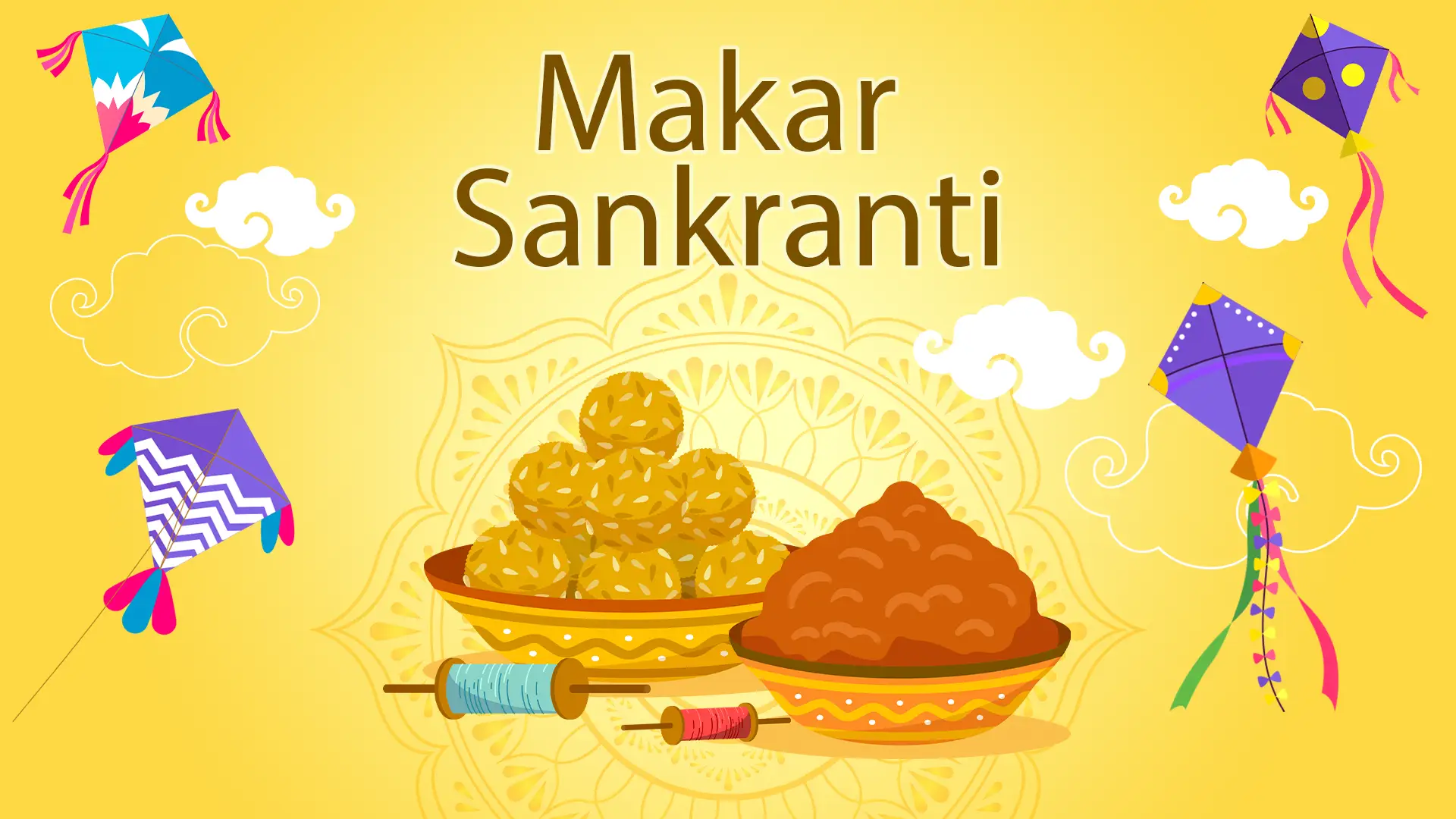
India is a land of diverse cultures, traditions, and festivals. Among the most widely celebrated harvest festivals are Makar Sankranti, Sankranti, Lohri, and the Lohri festival. These festivals mark the transition of seasons, the joy of harvest, and the importance of nature in human life. Although celebrated in different regions with unique customs, the core theme remains gratitude, prosperity, and togetherness.
Makar Sankranti is celebrated across India as a solar festival, while Sankranti is especially popular in southern states. Lohri and the Lohri festival are deeply rooted in North Indian culture, particularly in Punjab and Haryana. Together, these festivals symbolize hope, renewal, and abundance.
Significance of Makar Sankranti
Makar Sankranti marks the transition of the Sun into the zodiac sign Capricorn (Makara). It is one of the few Indian festivals celebrated according to the solar calendar, which makes its date almost fixed every year. Makar Sankranti usually falls on January 14 or 15.
The festival signifies the end of the winter solstice and the beginning of longer days. In Hindu tradition, Makar Sankranti is considered highly auspicious. People believe that taking a holy dip in sacred rivers during Makar Sankranti washes away sins and brings spiritual merit.
From kite flying in Gujarat to til-gud sweets in Maharashtra, Makar Sankranti reflects regional diversity while preserving a common spiritual meaning. The celebration of Makar Sankranti promotes unity, joy, and gratitude toward nature.
Cultural Importance of Sankranti in South India
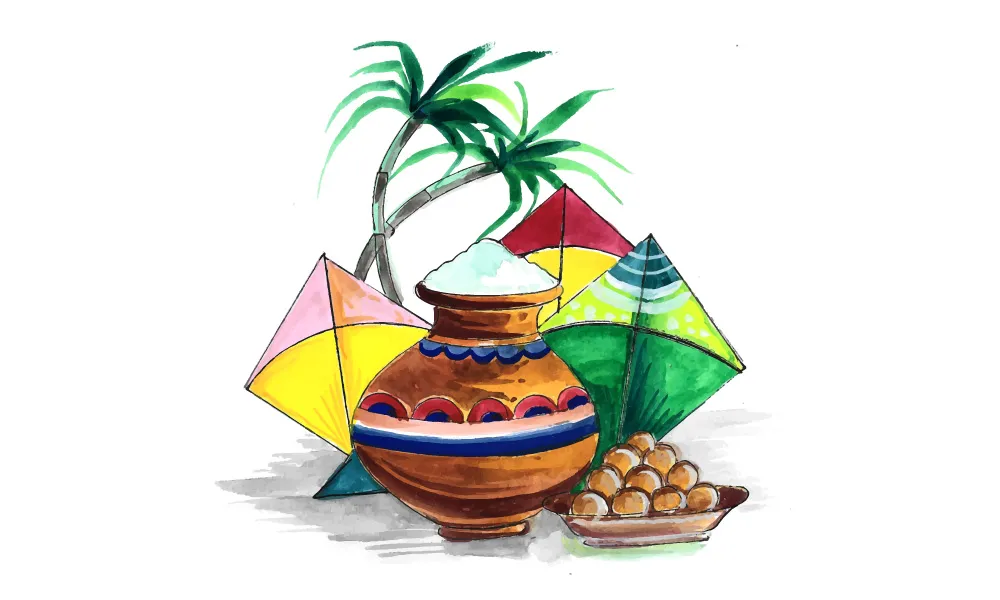
In South India, Sankranti is celebrated with great enthusiasm and devotion. Known as Sankranti or Pongal in Tamil Nadu, the festival extends over several days and honors the Sun God, farmers, cattle, and nature.
During Sankranti, homes are decorated with colorful rangoli, sugarcane is shared, and traditional dishes made from freshly harvested rice are prepared. Sankranti is a time when families come together to celebrate abundance and prosperity.
The celebration of Sankranti highlights respect for agriculture and the farmer’s hard work. In many villages, Sankranti is marked by cultural events, folk dances, and community feasts, strengthening social bonds.
Lohri: A Festival of Fire and Celebration
Lohri is a popular winter festival celebrated mainly in Punjab, Haryana, and parts of North India. The Lohri festival marks the end of the coldest part of winter and welcomes longer days.
Bonfires are the central element of Lohri. Families and communities gather around the fire, offering peanuts, popcorn, and sweets. Singing folk songs and performing traditional dances like Bhangra and Gidda are essential parts of Lohri celebrations.
The Lohri festival holds special importance for newlyweds and newborns. Celebrating Lohri symbolizes new beginnings, happiness, and prosperity. The warmth of the fire during Lohri represents energy, hope, and unity.
Mythological Roots of Lohri Festival
The Lohri festival is associated with folk tales and legends. One popular legend of Lohri is about Dulla Bhatti, a local hero who helped poor girls get married during the Mughal era. Songs sung during Lohri often praise his bravery and generosity.
Another belief connects Lohri with fertility and abundance. Farmers celebrate Lohri to express gratitude for a good harvest and to pray for prosperity in the coming year. Thus, the Lohri festival carries both historical and agricultural significance.
Common Themes Across Makar Sankranti, Sankranti, and Lohri
Although Makar Sankranti, Sankranti, Lohri, and the Lohri festival are celebrated in different ways, they share common themes:
- Gratitude toward nature
- Celebration of harvest
- Community bonding
- Hope and renewal
Makar Sankranti emphasizes spiritual purification, Sankranti highlights agricultural prosperity, and Lohri focuses on warmth and joy during winter. Together, these festivals reflect India’s deep connection with nature and seasons.
Traditional Foods of Makar Sankranti and Sankranti
Food plays an important role in Makar Sankranti and Sankranti celebrations. During Makar Sankranti, sweets made of sesame seeds and jaggery are widely consumed. These ingredients symbolize warmth, health, and unity.
In Sankranti, freshly harvested rice is used to prepare traditional dishes. Families exchange food as a symbol of love and harmony. Sharing meals during Sankranti strengthens relationships and spreads happiness.
Traditional Foods of Lohri Festival
The Lohri festival is incomplete without traditional snacks like peanuts, rewari, gajak, and popcorn. These foods are offered to the bonfire during Lohri as a mark of gratitude.
During Lohri, families prepare special meals and share them with neighbors and friends. The food traditions of the Lohri festival reflect abundance, sharing, and celebration.
Modern Celebrations of Lohri and Sankranti
In modern times, Lohri, Sankranti, and Makar Sankranti are celebrated not only in villages but also in cities and abroad. Cultural associations organize events to keep traditions alive.
The Lohri festival has gained global recognition, with Punjabi communities celebrating Lohri across the world. Similarly, Sankranti and Makar Sankranti are observed by Indian communities internationally, promoting cultural awareness.
Despite modernization, the essence of Makar Sankranti, Sankranti, and Lohri remains unchanged—celebrating nature, family, and gratitude.
Spiritual and Social Impact
The spiritual significance of Makar Sankranti encourages charity, self-reflection, and positivity. On Sankranti, people donate food and clothes to the needy, spreading kindness.
The Lohri festival strengthens community bonds. People gather, sing, dance, and celebrate together, reinforcing unity and social harmony. Such festivals help preserve cultural identity and values across generations.
Conclusion
Makar Sankranti, Sankranti, Lohri, and the Lohri festival are more than seasonal celebrations. They represent gratitude toward nature, respect for agriculture, and the joy of togetherness. While Makar Sankranti focuses on solar transition and spirituality, Sankranti celebrates harvest and prosperity, and Lohri brings warmth, happiness, and new beginnings.
These festivals remind us of the importance of harmony with nature and the power of shared traditions. Celebrating Makar Sankranti, Sankranti, Lohri, and the Lohri festival keeps cultural roots strong while spreading positivity and hope for the future.
