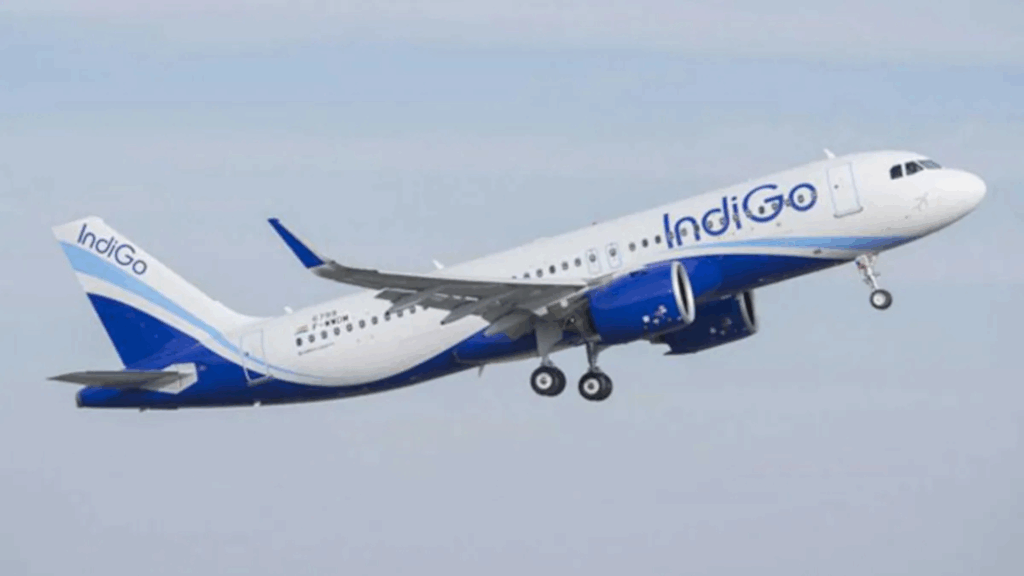
The IndiGo crisis triggered one of India’s worst aviation disruptions in recent years, prompting direct intervention from the Prime Minister’s Office (PMO), high-level reviews by the Ministry of Civil Aviation, fare caps across domestic routes, and urgent directives to speed up refunds for thousands of stranded passengers. As cancellations entered the fifth straight day, the government signalled that accountability would be firmly enforced and that passenger interest must remain the top priority.
India’s largest airline, IndiGo, which normally operates more than 1,900 flights daily, saw its network collapse amid crew shortages, scheduling failures, and operational mismanagement. Over the past few days, more than 1,000 flights were cancelled, triggering chaos at airports nationwide and leaving passengers scrambling for alternatives.
Although IndiGo reported early signs of recovery, the scale of the disruption forced the highest levels of government to step in.
PMO intervenes in the as disruptions intensify.
For the first time during the ongoing IndiGo crisis, the Prime Minister’s Office contacted IndiGo CEO Pieter Elbers directly, seeking immediate restoration of normal operations and clarity on the steps being taken to stabilise the airline. Sources confirmed that Prime Minister Narendra Modi was briefed on the crisis and asked the airline to resolve the situation without further delay.
IndiGo CEO Pieter Elbers reportedly sought ten days to fully stabilise operations. However, government officials made it clear that the timeline must be shortened and that operations at key airports could not remain disrupted for extended periods.
The PMO’s intervention underscored the severity of the situation and the growing public frustration as thousands of travellers faced cancellations, long queues, and skyrocketing airfares.
Civil Aviation Ministry Summons IndiGo Leadership Over
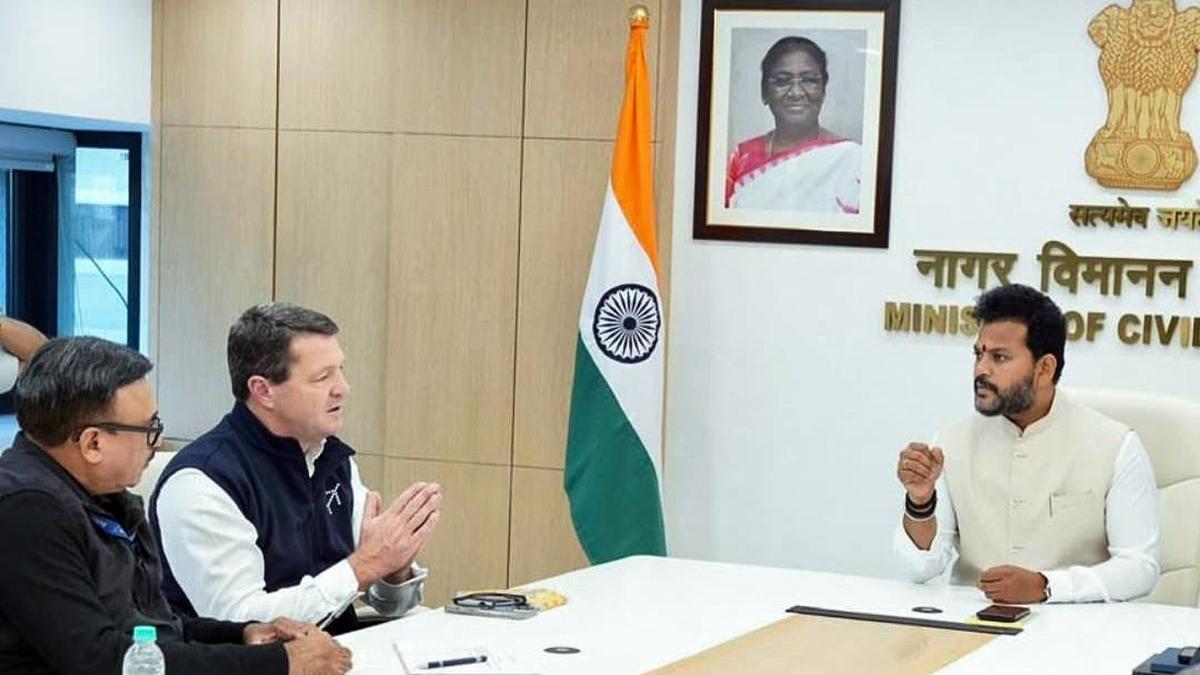
As the airline’s disruptions mounted, the Ministry of Civil Aviation summoned senior IndiGo officials for an emergency meeting. Civil Aviation Minister K Ram Mohan Naidu stressed that the government would take “stern action” to ensure accountability.
During the meeting, officials directed IndiGo to:
- Complete all pending refunds by 8 p.m. on December 7
- Avoid levying any rescheduling fees
- Submit a detailed plan to stabilise the network
- Address staffing shortages and scheduling gaps
- Restore normal operations on priority
- Avoid further passenger inconvenience
The ministry also warned that IndiGo could face penalties for regulatory non-compliance, operational lapses, and consumer impact violations.
The summoning of IndiGo’s top leadership signalled the government’s strong stance in handling the crisis. India’s aviation sector, already sensitive to fluctuations in passenger movement, infrastructure stress, and crew availability, cannot afford prolonged instability from its largest airline.
Mass Cancellations Continue Despite IndiGo Stabilisation Efforts
Although IndiGo announced that it was slowly returning to normal operations, cancellations remained significantly high. On Saturday alone, nearly 850 flights were cancelled, following a day of over 1,000 cancellations—one of the worst aviation disruptions seen in India.
IndiGo said it operated only 700 flights on Friday as part of a deliberate network “reboot” aimed at resetting schedules and rebuilding operational stability.
A senior airline spokesperson said:
“We have restored more than 95% of our network, with only three destinations still offline. We are aiming to operate more than 1,500 flights by the end of the day.”
Despite these assurances, passengers continued to face delays, long queues, and uncertainty. Several travellers reported receiving cancellation notifications just hours before departure, making alternative travel arrangements nearly impossible.
Fare Caps Imposed Nationwide in Response
The IndiGo crisis caused airfares to spiral sharply across domestic routes. On several high-demand routes such as Delhi–Mumbai, Bengaluru–Delhi, and Hyderabad–Chennai, prices reportedly quadrupled, with some fares exceeding ₹30,000 for last-minute bookings.
To curb the surge, the central government introduced fare caps on economy-class tickets:
- Up to 500 km: Maximum ₹7,500
- 500–1,000 km: Maximum ₹12,000
- 1,000–1,500 km: Maximum ₹15,000
- Above 1,500 km: Maximum ₹18,000
The fare caps were implemented to protect passengers from opportunistic pricing during a crisis. Airlines are also required to maintain transparency in fare displays and ensure that no hidden charges mislead passengers.
Railways Deploy Special Trains Amid IndiGo Travel Chaos
With air travel disrupted, the Indian Railways stepped in to support stranded passengers. Additional trains and special services were deployed on key routes witnessing heavy aviation traffic, including:
- Delhi → Mumbai
- Delhi → Bengaluru
- Hyderabad → Chennai
- Kolkata → Bengaluru
Railway officials stated that the decision was taken to ensure continuity of travel options and to reduce pressure on airports.
The integration of railway services during an aviation crisis demonstrated how India’s transport infrastructure collaborates to safeguard passenger movement in emergencies.
IndiGo The Ripple Effect on Passengers and Travel Sector
The disruptions triggered a chain reaction across the travel sector:
1. Trip cancellations and rescheduling chaos
Thousands of passengers reported difficulties in securing refunds or finding alternative flights.
2. Surge in hotel and taxi bookings
With travellers stuck overnight in cities such as Delhi, Mumbai, Bengaluru, and Hyderabad, demand for last-minute accommodations spiked.
3. Business and political travel impact
Executives, government officials, and traders missed important meetings and events due to cancelled flights.
4. Aviation ecosystem stress
Ground staff, airport operations, and connecting flights across partner airlines faced unusual load patterns.
The IndiGo crisis highlighted the vulnerability of India’s aviation system when a dominant player faces disruptions.
DGCA’s Selective Relief Sparks Controversy Amid IndiGo Crisis
Amid the disruptions, the Directorate General of Civil Aviation (DGCA) granted IndiGo temporary relief from night duty and weekly rest requirements for pilots under Flight Duty Time Limitations (FDTL).
However, this decision drew sharp criticism from pilot associations.
The Airlines Pilots Association (ALPA) India condemned the DGCA’s move, saying:
- The relaxations were “selective and unsafe.”
- The decision “destroyed regulatory parity.”
- Passenger safety could be compromised.
Pilot bodies stated that IndiGo’s staffing issues were a long-standing internal problem and should not lead to relaxed safety rules.
The controversy added a new layer to the IndiGo crisis, raising questions about regulatory fairness and industry-wide safety enforcement.
IndiGo Crisis: What Experts Are Saying
Aviation experts offered multiple perspectives on what triggered the crisis.
✔ 1. Crew shortages and rostering failures
Several analysts believe IndiGo misjudged its pilot scheduling demands, resulting in unexpected shortages.
✔ 2. Overdependence on aggressive expansion
With its rapidly growing fleet and destinations, IndiGo may have stretched its operational capabilities.
✔ 3. Internal pressure tactics
Some experts argued that the crisis was “artificially created” to push back against stricter FDTL rules.
✔ 4. Insufficient contingency planning
India’s aviation sector has little buffer when a major airline collapses even temporarily.
✔ 5. Passenger communication gaps
Last-minute cancellations without adequate notification worsened the chaos.
The government is now evaluating whether deeper structural reforms may be needed to prevent similar crises in the future.
IndiGo Crisis and the Government’s Response: A Timeline
Day 1: Sudden spike in cancellations
Passengers report unusual disruptions across major airports.
Day 2: Cancellation numbers cross 1,000
Severe gaps emerge in IndiGo’s crew scheduling.
Day 3: DGCA grants temporary FDTL exemptions
Pilot bodies strongly object.
Day 4: PMO briefed; Civil Aviation Minister steps in
High-level meetings begin.
Day 5: Fare caps announced, refunds ordered
Government mandates that IndiGo complete refunds by December 7.
Day 6: IndiGo claims network is 95% restored
Operations at most destinations restart.
Day 7: Further scrutiny and penalties pending
Investigations continue into regulatory violations and operational lapses.
The timeline reveals a rapid escalation followed by aggressive intervention from authorities.
Refunds, Compensation, and Passenger Rights in the IndiGo Crisis
Passengers affected by the disruptions repeatedly raised concerns over:
- Delayed refunds
- High alternative travel costs
- Lack of prompt communication
- Sudden flight cancellations
The Ministry of Civil Aviation directed IndiGo to:
- Process all refunds by Sunday, December 7
- Avoid rescheduling fees entirely
- Maintain transparency in booking and cancellation notifications
Passengers have welcomed the move, but many continue to track refund status.
Experts recommend that passengers keep:
- Screenshots of cancelled tickets
- Payment transaction records
- Boarding passes (if issued)
- Communication screenshots
- UPI or bank statements
These documents strengthen any claim or complaint filed with consumer grievance platforms.
IndiGo Crisis: Impact on Airlines, Airports, and the Economy
The IndiGo crisis has had far-reaching consequences beyond delayed travel:
1. Airport congestion and resource strain
Airports such as Delhi, Bengaluru, and Mumbai experienced overcrowding at check-in and helpline counters.
2. Loss of business productivity
Missed meetings, cancelled conferences, and unplanned stays caused significant economic losses.
3. Tourism industry disruption
Travellers heading to holiday destinations struggled to rearrange plans.
4. Increased load on other airlines
Rival carriers had to handle additional passengers despite limited fleet capacity.
5. Fuel and operational cost fluctuations
With last-minute adjustments, airlines incurred additional operational expenses.
6. Regulatory pressure on aviation safety
The DGCA now faces scrutiny over its decision-making and safety enforcement.
This incident has highlighted the need for improved resilience in India’s aviation system.
Is the IndiGo Truly Stabilising? Early Signs and Challenges
IndiGo claims that more than 95% of its network has been restored. It is now operating flights to 135 out of 138 destinations, signalling improvement.
Positive signs:
- Increase in daily flights from 700 to 1,500
- Sharp reduction in cancellations
- Improved crew availability
- Faster refund turnaround
- Stronger communication via alerts
Remaining challenges:
- Passenger confidence remains fragile
- Last-minute cancellations still possible
- Regulatory scrutiny continues
- Penalties remain under consideration
The airline must demonstrate consistent operational reliability before trust fully returns.
Could the IndiGo Have Been Prevented? An Analysis
Aviation experts believe that several early actions might have prevented such a major breakdown. These include:
✔ Better crew fatigue forecasting
IndiGo could have planned pilot schedules with more realistic margins.
✔ Transition planning for FDTL rule changes
The airline appeared unprepared for stricter duty-time regulations.
✔ Stronger communication systems
Late-night cancellations without prior alerts worsened public anger.
✔ Operational contingency buffers
A large airline should maintain reserve aircraft and standby pilot pools.
✔ Internal coordination
Reports indicate gaps between top management and crew departments.
The crisis serves as a cautionary tale for all airlines.
Future of Indian Aviation After the IndiGo
The government may introduce the following changes in coming months:
- Enhanced monitoring of airline rostering software
- Stricter penalties for operational disruptions
- Higher compensation standards for passengers
- Review of pilot fatigue norms
- Mandatory buffers in large airline networks
- Transparent reporting of cancellations and delays
- Increased requirements for emergency staffing
The crisis could reshape how India’s aviation industry functions and how airlines manage large-scale operations.
Conclusion: Marks a Turning Point for Indian Aviation
The IndiGo crisis underscores the fragile balance in India’s high-growth aviation sector. With over a thousand cancellations, unprecedented PMO intervention, fare caps, and scrutiny from the Civil Aviation Ministry, the disruption became a national concern.
As India’s largest carrier, IndiGo must now rebuild trust with passengers, improve internal processes, and demonstrate that such a collapse will not occur again. Meanwhile, regulators and other airlines must reassess their readiness to handle large-scale disruptions.
