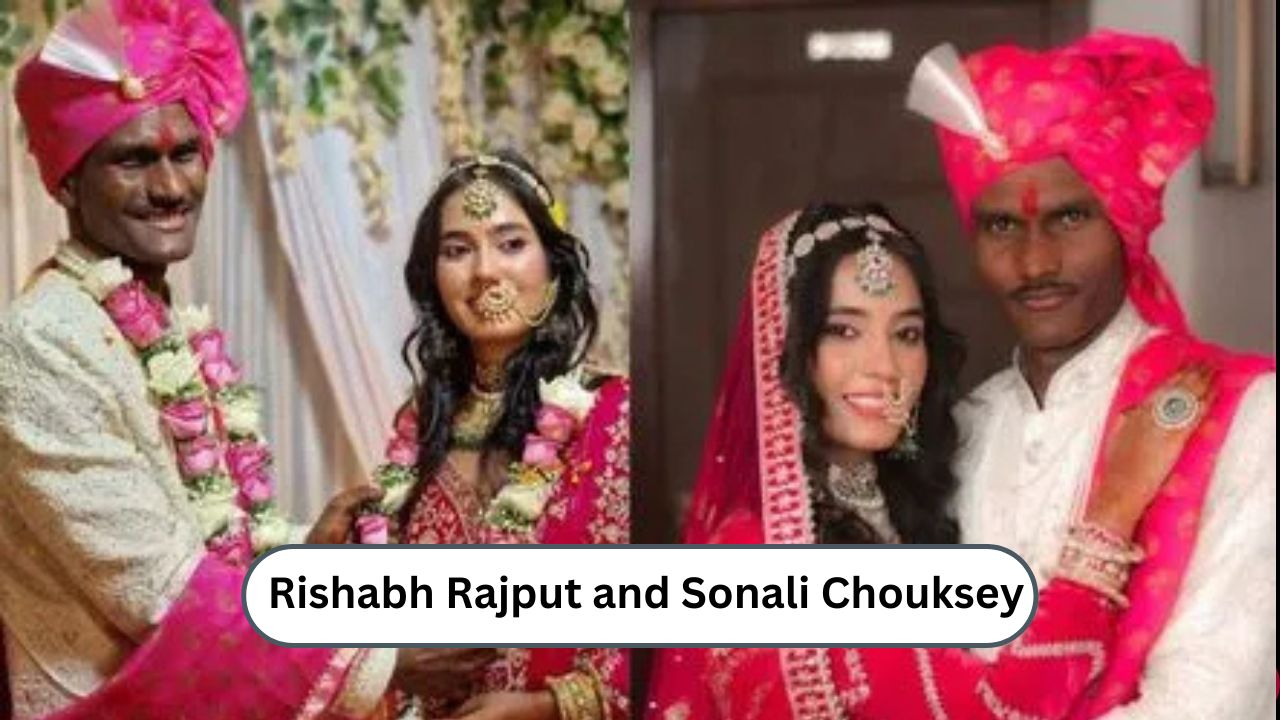
Indian couple trolled: When the wedding video of Rishabh Rajput and Sonali Chouksey surfaced on social media, the couple expected blessings, good wishes, and joyful reactions from friends and strangers alike. Instead, they were confronted with an avalanche of colour-based ridicule, hateful comments, and judgemental assumptions — all because the groom had darker skin and the bride was fairer.
The incident quickly became national news, sparking conversations about colourism in India, the toxic side of social media, and the courage of a young couple who chose to rise above the negativity.
This article explores their journey — from college romance to the cruel trolling, and finally to their empowering response.
How a Love Story Became a Target of Online Hate
Indian couple trolled Eleven years ago, Rishabh and Sonali met in a zoology class in Madhya Pradesh. Their friendship blossomed into love, and both believed they would eventually marry. Their families supported their relationship, and their November 2024 wedding was everything they had dreamt of — vibrant, traditional, and filled with love.
But the happiness did not last long online.
The moment their wedding video went viral, an Indian couple trolled was trending again. Trolls compared skin shades, commented on appearances, and made cruel assumptions. Instead of celebrating the couple’s joy, many strangers chose to focus on their skin colour contrast.
India’s long-standing obsession with fair skin once again revealed its ugly side.
When Celebration Turns Into Cruelty: What the Trolls Said
The comments received by the couple were not just insensitive — they were deeply disturbing.
Examples of common reactions:
- “Why would she marry someone this dark?”
- “She must have married him for money.”
- “There must be some compulsion.”
- “He probably has a government job.”
- “Gold-digger alert.”
- “Why is the fair bride settling for him?”
Indian couple trolled The trolling intensified when the couple posted photos with their families. Some trolls even targeted the groom’s mother and the sisters of both families — something Rishabh said crossed all limits of decency.
He recalls feeling shocked, embarrassed, and angry — not because of the personal attacks, but because strangers had dragged their loved ones into the insult.
The Impact of Online Trolling on Mental Health and Family Dignity: Indian couple trolled
In interviews, both Rishabh and Sonali spoke about how the trolling “hurt more than expected.”
For Sonali, the comments were particularly disturbing.
“You ask yourself — is this how people really think? When someone calls me a gold-digger or insults my husband, it irritates me deeply,” she said.
Rishabh added that the trolling ruined what should have been the happiest phase of their lives.
They were not alone in feeling the emotional burden.
Both families felt:
- embarrassed
- stressed
- attacked
- dragged into something unnecessary
- worried about social reputation
What was a moment of joy had turned into national scrutiny.
Colourism in India: The Real Issue Behind the Hate
The Indian couple trolled incident is not just about one wedding. It is part of a long-standing social bias rooted in:
- colonial influence
- matrimonial preferences
- media representation
- beauty stereotypes
- fairness creams culture
- societal conditioning
India’s obsession with “fairness” has contributed to discrimination in:
- job selection
- marriage proposals
- modelling
- film industry
- everyday interactions
Despite increasing awareness, colourism remains widespread.
Rishabh addressed this issue strongly:
“About 70–80% people in India have dark skin tones, yet we still think fairer is better. It’s time to change that mentality.”
His statement resonated with millions, making the trolling incident Indian couple trolled a starting point for a larger national discussion.
Why the Couple’s Response Went Viral: Indian couple trolled
Instead of staying silent, Rishabh made a powerful Instagram post.
He told trolls:
- He was not a government employee
- He was not wealthy
- Sonali did not marry him for money
- They built their relationship from nothing
- Their love survived 11 years of ups and downs
His strongest message was:
“In my wife’s eyes, I am trying to be the best husband. That is what matters.”
This honesty touched hearts across India.
Sonali also stated:
“Fair skin doesn’t make someone a good person. How can we judge someone for their skin colour?”
Their maturity, confidence, and love became symbols of resilience.
Why the Trolling Backfired and Turned Into Support
Soon after the media picked up the story, the narrative flipped.
The same video that once attracted hate began receiving:
- thousands of supportive messages
- encouraging comments
- appreciation posts
- articles applauding their dignity
Psychologically, when people see victims responding with grace, trolls lose their power.
Rishabh’s firm reply — “You are a nobody to insult my family” — also resonated strongly.
Social Media, Beauty Standards, and the Harmful Norms We Ignore: Indian couple trolled
Social media is a double-edged sword.
Positive side:
- connects people
- celebrates diversity
- spreads awareness
Negative side:
- encourages comparison
- enables anonymity-based cruelty
- spreads toxic beauty standards
The Indian couple trolled case is a reminder that thousands suffer online harassment daily.
From cyberbullying to body shaming, the internet often amplifies the worst behaviours.
The deeper problem is not the trolls — it’s the mindset that normalises these comments.
Love Beyond Skin Colour: What Their Story Teaches India: Indian couple trolled
Rishabh and Sonali’s story carries powerful messages:
1. Love is not based on skin colour.
2. A fair bride–dark groom pairing should not be judged.
3. Women marrying darker-skinned men is not surprising — it’s normal.
4. Men with darker skin do not need to prove their worth.
5. Families do not deserve to be targeted because of online hate.
Their story exposes societal prejudice but also highlights that mindsets can evolve.
Why the Viral Story Became a National Conversation: Indian couple trolled
This story went viral because it touches three powerful themes:
1. Colourism — a deeply rooted cultural issue.
2. Social media trolling — a modern challenge.
3. True love — timeless and relatable.
Millions of Indians related to this issue because almost every family has experienced or understood:
- skin-colour comparisons
- pressure for fair brides
- beauty stereotypes
- insensitive comments
The couple unintentionally became the face of a larger movement against colour-based judgement.
Eleven Years of Love Cannot Be Judged by a 30-Second Video
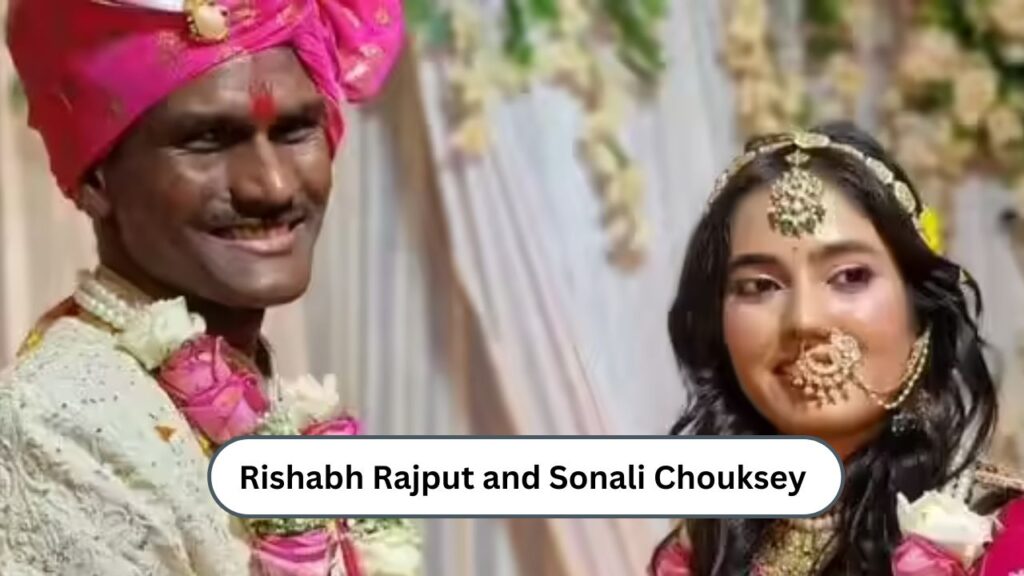
Rishabh beautifully expressed this sentiment:
“People judge us from a short video. They don’t know our 11-year journey.”
Their relationship included:
- college struggles
- financial challenges
- career growth
- family bonding
- shared dreams
- mutual emotional support
A 30-second clip does not define an 11-year love story.
The Reality: Most of India Looks Like Rishabh, Not Like Fairness Cream Ads
This incident exposed the hypocrisy of society.
Most Indians are naturally:
- wheatish
- brown
- dark brown
Yet advertisements, movies, and marriage websites idealise fairness.
By celebrating their love story, the public is slowly rejecting the narrative that fair skin is superior.
How the Couple’s Story Helps Fight Colourism
The couple’s viral moment may help change:
- beauty standards
- self-esteem of darker-skinned individuals
- judgment in matrimonial contexts
- school-level bullying
- workplace biases
Young Indians need role models who break stereotypes.
This couple unintentionally became exactly that.
The Importance of Respecting Personal Life and Choices
Online commenters often forget an important truth:
“For you, it’s just a video. For them, it’s their life.”
Social media makes it easy to comment without thinking.
But such comments can destroy:
- relationships
- families
- mental health
- reputations
The lesson is simple:
If you cannot congratulate someone, do not comment at all.
Standing Up Against Trolls: Why Silence Is Not Always the Answer
Rishabh’s decision to respond was brave.
Most people stay silent due to fear of:
- judgement
- mockery
- further trolling
But his dignified reply:
- shut down the bullies
- protected his family
- gained national support
- sparked a debate
- empowered others facing colour-based harassment
Sometimes silence reinforces toxic behaviour.
Speaking up breaks the cycle.
A Nation Watches — and Learns — From a Viral Wedding Video
Today, the couple feels proud that their story reached national and international platforms.
Though the trolling hurt them, the larger impact is positive.
Their message is clear:
• Stop judging people by skin colour
• Respect personal relationships
• Celebrate love in all forms
• Let people live with dignity
• Focus on character, not complexion
Conclusion: Love Wins, Skin Colour Doesn’t
The Indian couple trolled online turned adversity into advocacy.
What began as an attack on their skin colour changed into a national conversation about:
- respect
- acceptance
- equality
- compassion
- societal reform
Their story proves that:
Fair or dark — love is love.
Trolls do not define relationships.
Character matters more than complexion.
In the end, despite all the trolling, the couple remains happy.
As Rishabh said:
