Electric vehicles are transforming the future of travel in India. From rising fuel prices to the need for cleaner mobility, EVs have become a powerful alternative for everyday commuting. The adoption of Best electric vehicles is growing rapidly as more consumers look for a cost-efficient and eco-friendly mode of transport. India is also developing a strong network of EV charging stations, which further supports the growth of this new mobility trend. In this detailed guide, you will discover everything about electric vehicles, including the best EVs in India, pricing, mileage, features, and why now is the right time to switch to electric mobility.
What Are Electric Vehicles?
Electric vehicles are automobiles powered by electricity instead of petrol or diesel. They use a rechargeable battery and an electric motor to run efficiently. Unlike traditional fuel vehicles, Best electric vehicles do not produce tailpipe emissions. As a result, they help in reducing pollution and lowering carbon footprint. Since EVs operate on electricity, they offer smooth performance, fast acceleration, and more comfort during daily travel. Vehicles also require fewer mechanical parts, which reduces maintenance costs.
Why Electric Vehicles Are Becoming Popular in India
Best Electric vehicles in india have created a major shift in the Indian automobile market. Several factors contribute to their rising popularity. First, the cost of petrol and diesel has increased significantly recently. This makes EVs a more affordable option in the long run. Second, government incentives such as FAME II subsidies encourage people to switch to greener mobility. Third, major automobile companies are launching more EV models in India with competitive pricing, long range, and advanced technology.
Consumers now prefer vehicles that offer low running costs and reduce environmental impact. Since EVs meet both needs, they have become the preferred choice for many Indian buyers.
Benefits of Electric Vehicles in India
Electric vehicles offer several benefits that make them a smart investment.
1. Lower Running Costs
Electric vehicles are significantly cheaper to run compared to petrol and diesel vehicles. The cost per kilometer is much lower because electricity is cheaper than fuel. Over a year, this leads to major savings.
2. Environment-Friendly Mobility
Electric vehicles produce zero tailpipe emissions. This helps in reducing air pollution, especially in metro cities such as Delhi, Mumbai, Bengaluru, and Hyderabad. Cleaner air directly improves public health.
3. Lower Maintenance Cost
An EV has fewer moving parts. There is no engine oil, no fuel filter, and no clutch system. This means you spend less on repairs and servicing.
4. Smooth and Silent Ride
Electric vehicles are quieter than conventional vehicles. The motor delivers instant torque, which improves acceleration and driving comfort.
5. Government Incentives
The Indian government offers subsidies on EV purchases, reduced GST, and lower road tax in some states. These benefits bring down the initial cost of buying an EV.
6. Future-Ready Technology
Most electric vehicles come with smart connectivity, fast charging support, advanced safety features, and modern infotainment systems.
Related: Ways to Create a Travel System for Your Defense
Types of Electric Vehicles in India
Electric vehicles come in different types. Each offers unique advantages depending on usage and budget.
Battery Electric Vehicles (BEVs)
These vehicles run only on battery power. They do not use any fuel. The battery needs regular charging, and BEVs offer the cleanest mobility solution.
Plug-In Hybrid Electric Vehicles (PHEVs)
These vehicles have both a petrol engine and an electric motor. You can charge them like EVs, and they also run on fuel when needed.
Hybrid Electric Vehicles (HEVs)
They run on a combination of electric assistance and fuel but cannot be charged externally.
Battery Best electric vehicles remain the most preferred type in India because they are affordable and have lower maintenance requirements.
Best Electric Vehicles in India (2026 Updated List)
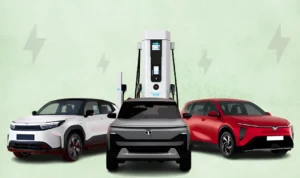
Below is a detailed comparison of the top electric vehicles in India. These models offer outstanding performance, range, design, and features.
1. Tata Nexon EV – India’s Most Popular Electric SUV
The Tata Nexon EV remains the leading electric SUV in the Indian market. It delivers a long range, powerful performance, and modern features.
-
Range: 325–465 km
-
Battery: 30–40.5 kWh
-
Charging: Fast charging support
-
Price: ₹14.49 lakh – ₹19.49 lakh
The Nexon EV also offers multiple drive modes, smart connectivity, and a stylish interior. It is ideal for families and daily city commuters.
2. Tata Tiago EV – Best Budget Electric Car in India
The Tata Tiago EV is one of the most affordable vehicles in India. It offers impressive mileage, low running cost, and a compact design suitable for city driving.
-
Range: 250–315 km
-
Battery: 19–24 kWh
-
Price: ₹7.99 lakh – ₹11.89 lakh
This EV is perfect for first-time EV buyers who want a cost-effective vehicle without compromising features.
3. MG ZS EV – Premium and Feature-Rich Electric SUV
The MG ZS EV offers a luxurious driving experience with a long range and advanced technology.
-
Range: 461 km
-
Battery: 50.3 kWh
-
Price: ₹22.88 lakh – ₹27.90 lakh
It includes a panoramic sunroof, large touchscreen, ADAS features, and high battery efficiency.
4. Tata Punch EV – New Compact Electric SUV for Urban India
The Tata Punch EV is designed for modern city users. It offers a dynamic design, compact structure, and impressive range.
-
Range: 300–421 km
-
Battery: 25–35 kWh
-
Price: ₹10.99 lakh – ₹12.49 lakh
Its agility, smart tech, and affordability make it a strong competitor in the EV segment.
5. Mahindra XUV400 EV – Performance-Focused Electric SUV
Mahindra’s XUV400 EV stands out with strong performance and spacious design.
-
Range: 375–456 km
-
Battery: 34.5–39.4 kWh
-
Price: ₹15.99 lakh – ₹19.19 lakh
It offers fast charging, premium cabin, and superior acceleration.
6. BYD Atto 3 – Global Premium Electric Car
The BYD Atto 3 offers global-class performance and technology.
-
Range: 521 km
-
Battery: 60.5 kWh Blade Battery
-
Price: ₹33.99 lakh
It is modern, stylish, and offers advanced safety.
7. Hyundai Ioniq 5 – Award-Winning Futuristic EV
The Hyundai Ioniq 5 is one of the most futuristic electric vehicles available in India.
-
Range: 631 km
-
Battery: 72.6 kWh
-
Price: ₹45.95 lakh
Its design, technology, and long range make it a premium EV choice.
Cost of Owning Electric Vehicles in India
Best Electric vehicles may have a higher upfront cost, but the long-term savings are impressive. A typical EV costs ₹1–1.5 per km, while petrol cars cost ₹8–10 per km. This means an EV owner saves thousands of rupees every month.
EV servicing is also cheaper. With fewer mechanical parts, the maintenance cost is half compared to traditional cars.
Electric Vehicles: EV Charging Infrastructure in India
India is rapidly expanding its EV charging network. Charging stations are now available in malls, offices, fuel stations, and highways. The government aims to install thousands of public charging stations under FAME II and state EV policies.
Types of Charging
-
Slow Charging (AC): Home charging
-
Fast Charging (DC): 30–60 minutes for 80% charge
With improved infrastructure, electric vehicles are becoming even more convenient for long trips.
Challenges Faced by Electric Vehicles in India
Although electric vehicles offer many benefits, some challenges still need attention.
1. Charging Time
Fast chargers reduce the time, but availability is still expanding.
2. Higher Initial Cost
Battery cost increases the price, but subsidies help reduce the burden.
3. Range Anxiety
New models offer longer ranges, but awareness is still growing.
4. Limited Charging Stations in Small Towns
Infrastructure is growing rapidly, but Tier-3 cities require faster development.
Future of Electric Vehicles in India
The future of electric in India is promising. By 2030, India aims for a significant percentage of vehicle sales to be electric. Automobile companies are already developing better batteries, advanced features, and improved safety.
Lower battery costs, more charging stations, and government support will make EVs a mainstream choice. Electric vehicles will play a major role in reducing pollution and promoting sustainable mobility across India.
Conclusion: Should You Buy Electric Vehicles in 2026?
Yes. Electric are a smart choice for anyone who wants low running costs, modern features, and an eco-friendly lifestyle. As India moves towards clean energy, EVs will become an essential part of everyday travel. Whether you want a budget EV like the Tiago EV or a premium car like the Hyundai Ioniq 5, there is a perfect electric vehicle for every buyer.
Switching to electric today means saving more, polluting less, and driving the future of mobility.
